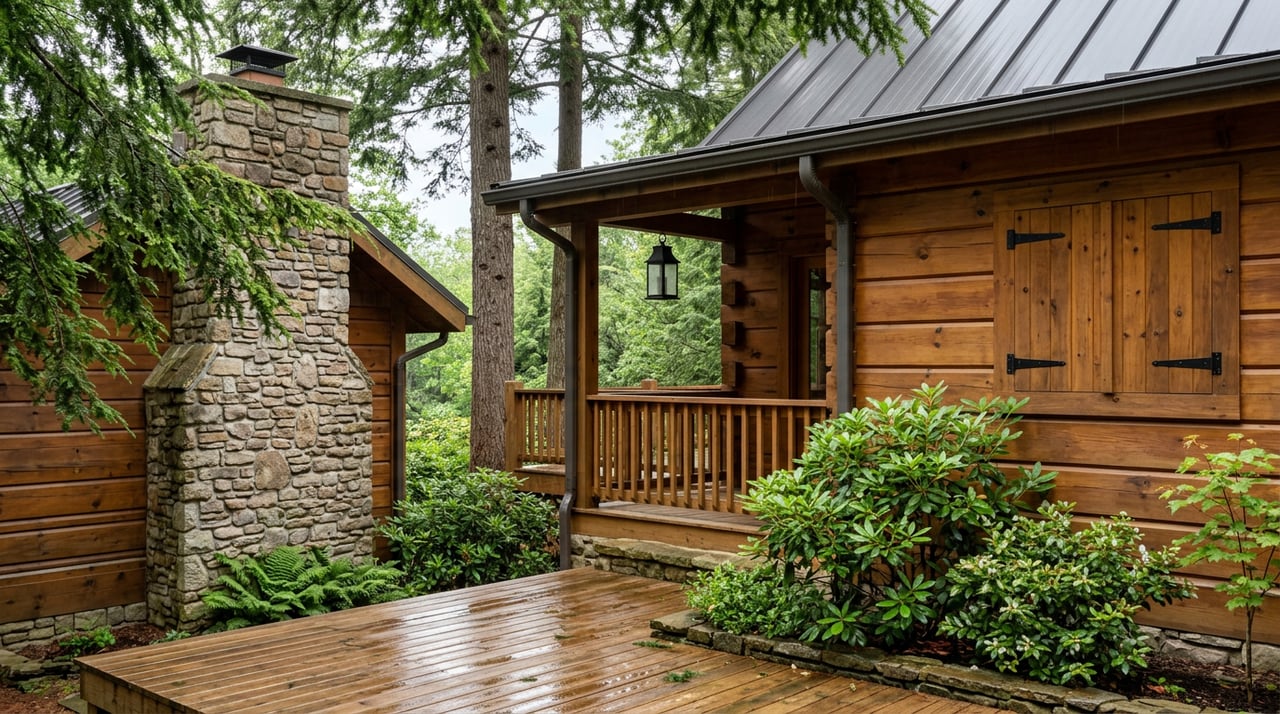
Dreaming of a High Country retreat but live hours away? You can buy a second home in Ashe County without constant travel. Many buyers now close remotely, relying on video tours, digital documents, and a local team that coordinates every step. In this guide, you’ll learn how remote closings work in North Carolina, which inspections to prioritize for mountain properties, and how to set up utilities and insurance so your place is turnkey on day one. Let’s dive in.
Why Ashe County works for remote buyers
Ashe County offers the small‑town charm, long‑range views, and four‑season recreation many second‑home buyers want. Prices vary a lot by location and amenity. Views, winter access, acreage, and distance to West Jefferson or Boone can shift value more than square footage alone. If you are shopping from afar, build your short list around what matters most to you, then verify the details by address.
Tip: ZIP codes can be confusing in the mountains. For example, 28629 is Glendale Springs in Ashe County. Do not assume a ZIP equals a county or town. Always verify the parcel and jurisdiction before making an offer.
How remote closings work in NC
North Carolina authorizes Remote Online Notarization. Many closing attorneys now offer fully remote or hybrid “mail‑away” signings. State guidance on RON explains how approved platforms and procedures work. Your closing attorney will tell you which documents can be notarized remotely and which may still need ink signatures returned for recording.
- Ask early if your attorney supports RON or a mail‑back package.
- Confirm how originals will be returned for recording with the Ashe County Register of Deeds.
- Put wiring and document‑return steps in writing so everyone follows the same plan.
For recording, check process details with the Ashe County Register of Deeds so your deed and any loan instruments are filed promptly.
Step‑by‑step: Buy from afar with confidence
1) Verify the address and parcel
Confirm the county, parcel boundaries, zoning, and fire district for any property on your list. The Register of Deeds and county departments can help you verify where taxes are assessed and which rules apply. Keep a record of what you confirm.
2) Use rich virtual marketing to pre‑screen
Ask for a complete media package: recent photos, a floor plan, and either a 3D tour or a full video walkthrough. Live video tours help you understand layout, light, and road access in real time.
3) Request disclosures before you offer
North Carolina requires sellers of most 1–4 unit homes to deliver the Residential Property and Owners’ Association Disclosure Statement by the time you make an offer. Ask for it up front and include a contingency if needed. Review any HOA rules, survey or plat, septic permits, well information, and maintenance records. Learn more about timing in the Residential Property Disclosure Act.
4) Structure a remote‑friendly offer
Include realistic timelines and clear contingencies:
- Home inspection plus septic and well testing where applicable
- Title review by the closing attorney
- Appraisal if you are financing
- Remote closing procedures that allow RON or a mail‑away package
5) Schedule inspections early
In rural mountain areas, inspectors book up fast. At minimum, plan for:
- General home inspection (ask for photos and video)
- Septic point‑of‑sale inspection by a qualified inspector
- Well yield and potability testing
- Radon test if you want it
- Wood‑destroying insect inspection as needed
North Carolina rules outline what a septic point‑of‑sale inspection covers. They require inspectors to check tanks, distribution devices, and drainfields according to the code in place when the system was built. Review the scope in the NC Administrative Code.
6) Choose a closing attorney who supports remote work
Your North Carolina closing attorney coordinates the title search, escrow, and recording. Confirm:
- Whether they offer RON or mail‑away execution
- How they verify wiring instructions
- What the county requires for recording notarized documents
Use the Ashe County Register of Deeds to confirm recording expectations for remote signings.
7) Lock insurance and check flood maps
Get quotes for homeowners coverage and, if applicable, flood insurance. Lenders typically require flood coverage if a home sits in a Special Flood Hazard Area. Search your exact address on the FEMA Flood Map Service Center.
8) Do a final walkthrough, even virtually
If travel is tough, request a real‑time video walkthrough with your agent or inspector before closing. Use a repair addendum or a small escrow holdback if something needs finishing.
9) Confirm wires by phone
Wire‑fraud attempts are common. Verify wiring instructions by calling your attorney using a known, trusted phone number. Follow the state commission’s wire‑fraud reminders and never rely on email alone.
10) Onboard utilities and keep digital records
After closing, set up electric service and any internet plan you need. Blue Ridge Energy serves much of Ashe County; confirm provider and meter status using their local contacts at Blue Ridge Energy. Request digital copies of recorded documents from the Register of Deeds for your files.
Inspections that matter most in the High Country
Mountain homes often use wells and septic systems. A thorough inspection plan reduces surprises and protects your budget.
- Septic: Order a certified point‑of‑sale inspection and ask for pump records, permits, and repair history. Inspectors may need to uncover lids and probe system components. Review the state inspection rules.
- Well: Test for bacteria and nitrates at a minimum. Add metal or mineral screening if recommended.
- Radon: Many buyers choose to test in the mountains. It is a simple, low‑cost check.
- WDI: A wood‑destroying insect report is often required for loans and is smart due diligence for cabins and older homes.
Ask your agent to capture inspection videos and time‑stamped photos so you can review everything from afar.
Taxes, insurance, and utilities to budget
- Property taxes: Ashe County’s general ad valorem tax rate is 44 cents per $100 of assessed value. Fire district or municipal rates vary by address, so confirm the total for your parcel. See the state’s latest county tax rate table.
- Insurance: In addition to standard homeowners coverage, consider flood insurance if maps or lender requirements trigger it. Check access, slope, and storm history, which can affect premiums. Use the FEMA map tool to verify.
- Utilities and connectivity: Blue Ridge Energy provides electricity in much of Ashe County; confirm service and outage protocols at Blue Ridge Energy. Internet availability varies by exact location. In-town areas may have fixed providers, while remote sites may rely on satellite or fixed wireless. Verify serviceability in writing before you remove your due diligence contingencies.
Financing a true second home
Tell your lender up front that the property will be a second home, not an investment. Conventional programs often require at least 10 percent down for second homes, with specific riders and reserve requirements. Jumbo or portfolio loans may differ. For background on loan instruments and second‑home riders, see Fannie Mae’s legal documents.
Short‑term rental plans
If you plan to rent your home part‑time, confirm what is allowed before you offer. Rules can vary by town, county, and HOA. Contact the town clerk or county planning staff and read any HOA covenants. Use the county’s main portal to find departments and contacts on the Ashe County official site.
Remote‑buyer checklist
Pre‑offer
- Verify county, parcel ID, zoning, and fire district
- Request the seller’s Residential Property and Owners’ Association Disclosure Statement
- Ask for a floor plan and video walkthrough or 3D tour
- Review any HOA rules, survey, septic and well records
Under contract
- Schedule a general home inspection with photo and video documentation
- Order a certified septic point‑of‑sale inspection if applicable
- Order well yield and potability testing
- Confirm loan type as a second home and review down payment and reserves
- Confirm your attorney’s RON or mail‑away process and set wire‑verification steps
Post‑closing
- Set up electric service and internet; confirm provider by address
- Rekey, set up a local maintenance plan, and arrange snow removal if needed
- Save digital copies of recorded documents and confirm tax billing address
Avoid these common pitfalls
- Assuming a ZIP equals a county or town. Always verify the parcel and jurisdiction by address.
- Skipping septic and well testing. These systems are common and costly to fix if problems go unnoticed.
- Underestimating winter access. Ask who maintains the road and if a 4WD vehicle is recommended.
- Misclassifying your loan. Be clear that it is a second home to avoid tougher investment terms.
- Ignoring wire‑fraud risks. Call your attorney to confirm wiring instructions using a known number and follow state guidance.
Ready for a turnkey second‑home purchase?
You can buy confidently from afar when the details are handled by a local pro. From virtual showings to septic and well testing, from RON closings to utility onboarding, you deserve a smooth path to the mountains. If you want a single point of contact to coordinate vendors, inspections, and a remote closing in Ashe County, reach out to Chris Barr for a plan that fits your timeline and budget.
FAQs
How do remote closings work in North Carolina?
- NC allows Remote Online Notarization, and many closing attorneys offer hybrid or mail‑away packages. Confirm your attorney’s process and how originals will be recorded; see the state RON guidance.
What inspections are essential for Ashe County mountain homes?
- Plan for a general home inspection, septic point‑of‑sale inspection, well yield and potability testing, radon if desired, and a wood‑destroying insect report. Review septic scope in the NC Administrative Code.
How are Ashe County property taxes calculated?
- The county’s general rate is 44 cents per $100 of assessed value, plus any applicable fire district or municipal add‑on. Check current rates on the state tax rate table.
Can I use my second home as a short‑term rental in Ashe County?
- Possibly, but rules vary by town, county, and HOA. Contact local planning or the town clerk and review HOA covenants. Start with contacts on the Ashe County official site.
Who provides electricity and internet in rural parts of the county?
- Blue Ridge Energy serves much of Ashe County for electric service. Internet options depend on the exact address and may include fixed providers or satellite/fixed wireless. Confirm availability with providers; see Blue Ridge Energy.
What down payment is typical for a second‑home loan?
- Conventional programs often require at least 10 percent down for second homes, with specific riders and reserve requirements. For background, review Fannie Mae’s legal instruments.