Trying to decide between a cabin and a traditional home in Ashe County? It sounds simple until you start weighing mountain views against winter access, rustic charm against upkeep, and financing options against future resale. If you want a home that fits how you actually plan to live, use, and maintain property in the High Country, the details matter. Let’s break down the real trade-offs so you can make a smart decision.
Ashe County changes the equation
Ashe County is not a one-size-fits-all market. The area sits at about 3,000 feet in elevation and offers four distinct seasons, mountain terrain, and strong tourism appeal tied to places like the Blue Ridge Parkway, the New River, Mount Jefferson, and New River State Park.
That mix helps explain why both cabins and traditional homes attract buyers here. Ashe County also has a documented second-home population, while 79.4% of housing units are owner-occupied. In other words, this market serves both full-time residents and buyers looking for a getaway property.
Why cabins appeal to buyers
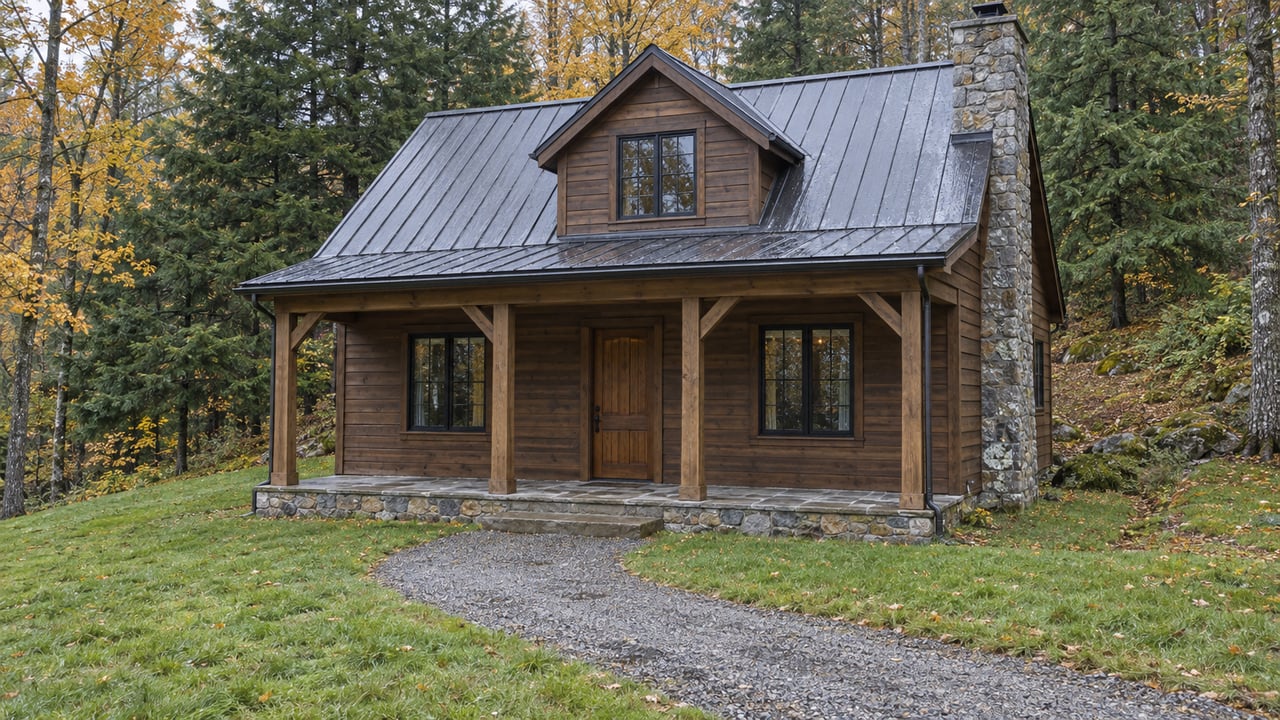
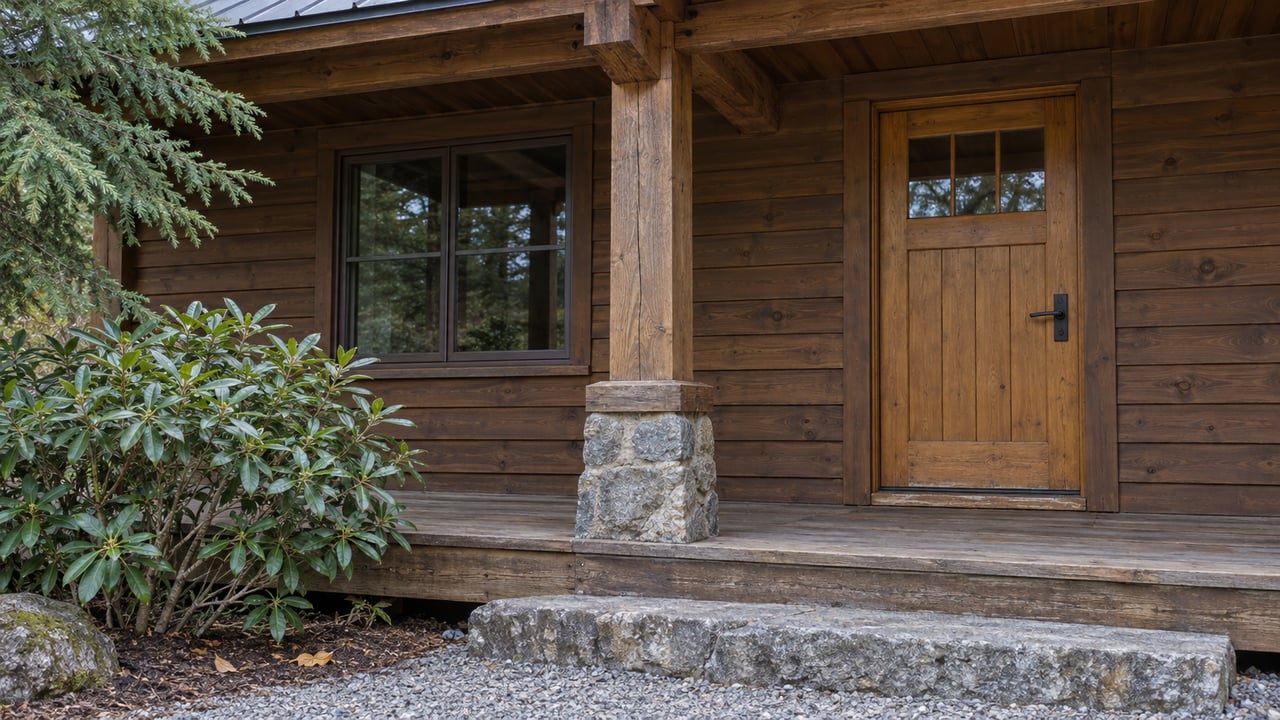
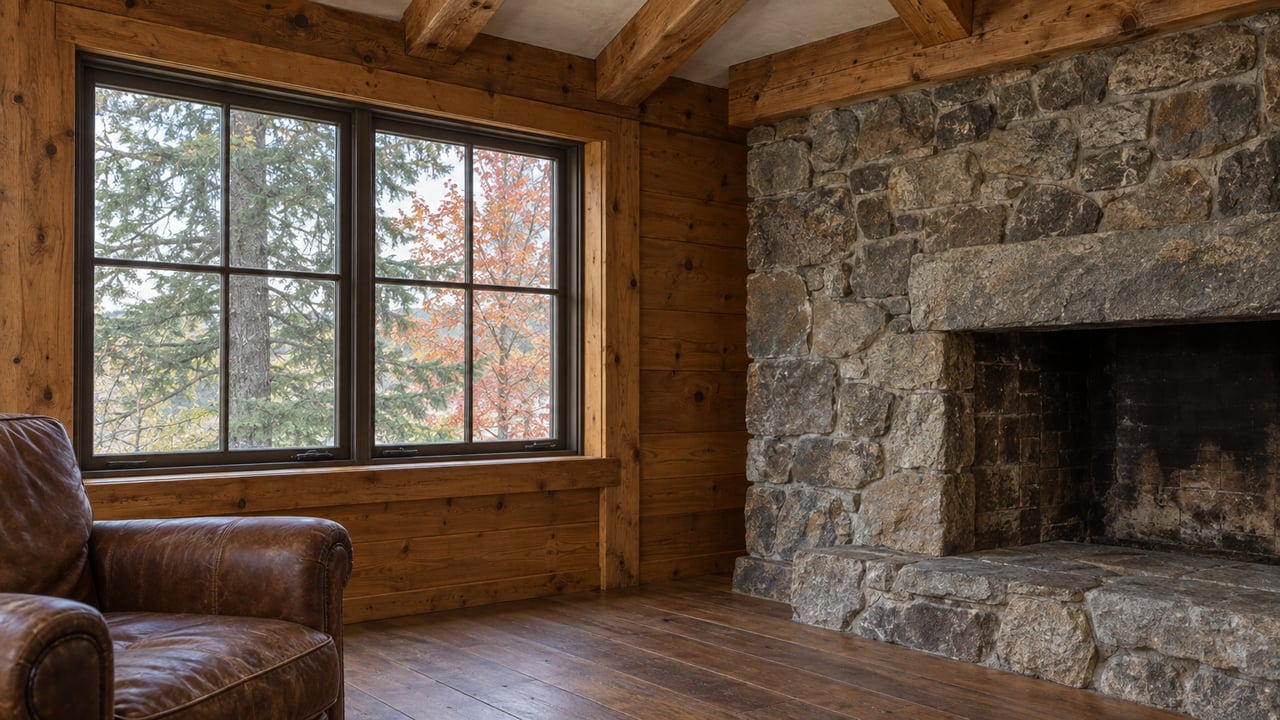
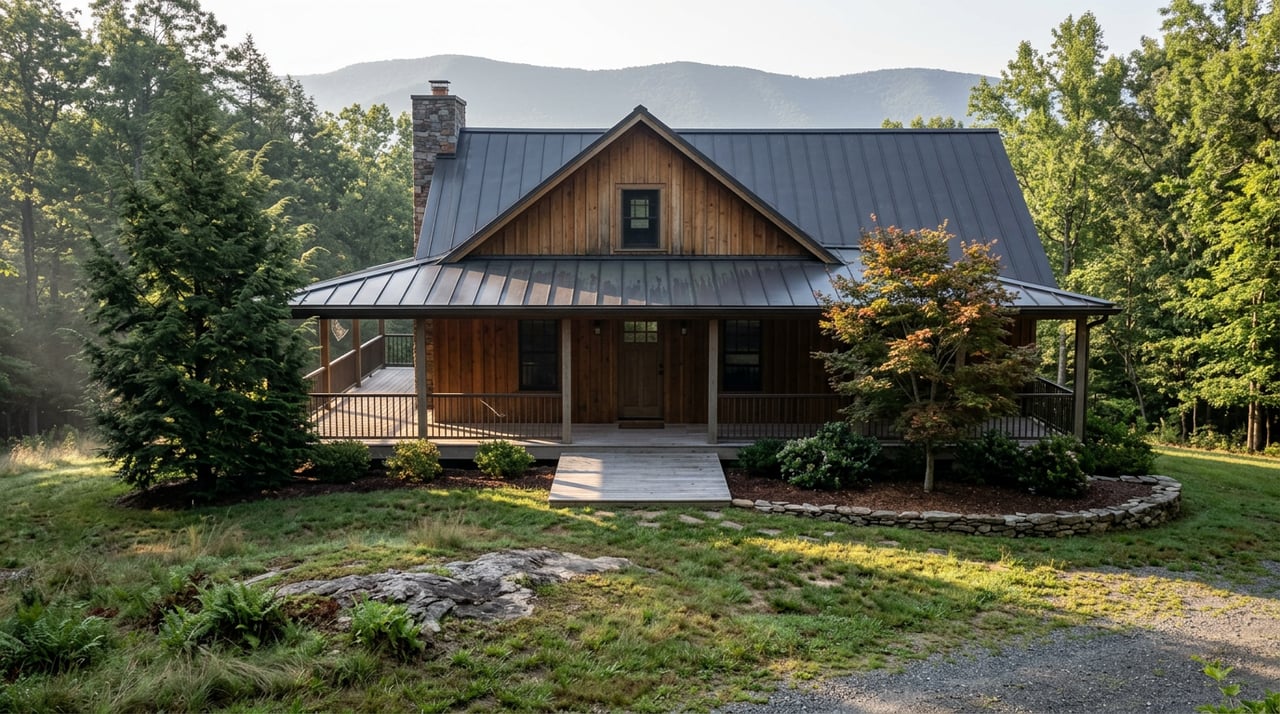
A cabin can match the Ashe County lifestyle many buyers picture when they start looking in the mountains. You may want privacy, a wooded setting, a porch with long-range views, or a place you can use seasonally while enjoying outdoor recreation nearby.
Cabins can also make sense if you are buying with personal enjoyment in mind rather than pure convenience. In a county with strong visitor appeal and over $37.88 million in accommodation and food services sales in 2022, it is easy to see why mountain-style properties hold strong appeal for second-home buyers.
Cabin strengths to consider
- Distinct mountain character
- Strong fit for seasonal or occasional use
- Appeal to second-home buyers drawn to scenery and recreation
- Potentially strong lifestyle value if you want a retreat experience
Why traditional homes appeal to buyers
A traditional home often offers fewer day-to-day complications. If you plan to live in the property full time, commute regularly, or want a simpler ownership experience, a year-round home in a more conventional setting may be easier to finance, maintain, and resell.
That matters in Ashe County because access, utilities, and weather can all affect how smoothly a property works over time. A traditional home is often the better fit if your top priorities are predictable living costs, easier underwriting, and less operational friction.
Traditional home strengths to consider
- Better fit for many primary-residence buyers
- Usually simpler utility and access setup
- Often easier to maintain year-round
- Broad appeal for future resale
Maintenance matters more in the mountains
In Ashe County, mountain ownership comes with local realities. County building guidance notes a 24-inch frost line, specific insulation expectations, and guard rail requirements for elevated porches, balconies, raised floors, or steps that are 30 inches above grade.
That is especially relevant for cabins, which often feature decks, porches, steeper sites, and more exposure to weather. The High Country hazard plan also describes heavy snow, ice storms, freezing rain, and possible roof-collapse damage from heavy snow.
Why cabins often need more attention
Cabins are not automatically a bad choice. They just tend to be more sensitive to the kind of conditions Ashe County regularly sees.
If a property relies on an exposed roof, private drive, well, septic system, or remote location, you may need to plan for more upkeep and more weather-related risk. By comparison, a conventional in-town or easier-access home may involve fewer surprises.
Access and utilities can shape your experience
Access is one of the biggest differences between a rustic cabin and a traditional home. Ashe County Emergency Management tells residents to check DriveNC and Ashe Road Alerts for road conditions, which shows how important travel access can be during winter weather.
For some mountain properties, private-road logistics also come into play. The county notes that private road signs cost $200, and private road names require approval from 100% of landowners.
Questions to ask before buying a cabin
- Is the property easy to reach year-round?
- Is the driveway already installed and functional?
- Does the home rely on a private road?
- How will emergency services access the property?
- Are well and septic systems in place and properly permitted?
These are not small details. They can affect convenience, safety, financing, and long-term ownership costs.
Permitting is part of the decision
In Ashe County, a new dwelling generally needs a building permit, and new homes also need septic and well permits. The county’s E911 office assigns a physical address only after the permit is in place and the footers and driveway are installed.
County planning also reviews floodplain development. If you are comparing a newer cabin, a custom build, or a property with recent improvements against a more standard home, permit history and site readiness deserve close attention.
Financing can be easier for traditional homes
Financing is one of the clearest dividing lines in this decision. USDA’s Section 502 Guaranteed Loan Program is designed for primary residences in eligible rural areas, can offer 100% financing, and cannot be used for income-producing property.
That makes it a stronger fit for a year-round Ashe County home than for a cabin you mainly want as a rental or part-time retreat. If your plan is to buy a full-time home with primary-residence financing, a traditional property may line up better with loan options.
Second-home financing rules matter too
Fannie Mae says a second home must be occupied for some portion of the year, be a one-unit dwelling, be suitable for year-round occupancy, remain under the borrower’s exclusive control, and not function as rental property or management-controlled property.
Fannie Mae also notes that rental income from a second home generally cannot be used to help the borrower qualify. So if you are counting on rental income to support the purchase, that can change the financing path quickly.
When a cabin gets harder to underwrite
Fannie Mae requires eligible properties to be readily accessible by roads that meet local standards, served by utilities that meet community standards, and suitable for year-round use. Properties that are not readily accessible or not suitable for year-round occupancy are ineligible.
That does not mean cabins cannot qualify. It does mean a more rustic property may face extra scrutiny compared with a conventional home that already checks those boxes more easily.
If you want rental use, think carefully
Some buyers love the idea of a cabin they can enjoy personally and also rent out from time to time. Ashe County’s trash decal guidance specifically references guest homes, Airbnbs, and vacation rentals, stating that owners need to decide how decals will be made available.
That does not create a vacation-rental license by itself, but it does show that short-term rental ownership comes with practical local logistics. If you intend to rent the property heavily, the home may fit investment-style underwriting more than second-home underwriting.
Carrying costs deserve a side-by-side look
Ownership costs can look different on paper than they do in real life. Ashe County’s 2025-26 property tax rate is 44 cents per $100 of assessed value.
Using the county’s median owner-occupied value of $243,100, county property tax comes to about $1,070 per year before other fees or levies. The county also posts a $150 annual disposal tax per household.
Why this matters in the cabin vs. home debate
If you are comparing two similarly priced properties, the one with more maintenance demands may feel more expensive even if the purchase price is close. A traditional home may offer more predictable carrying costs, while a cabin may ask for more budget flexibility over time.
Resale usually favors year-round usability
When it comes to resale, the broadest buyer pool usually matters most. A standard year-round home often appeals to more buyers because it tends to align better with owner-occupant demand, conventional financing, and local access and utility expectations.
That said, cabins still have a solid place in Ashe County. The county actively promotes its tourism appeal and second-home economy, so well-located cabins with strong year-round usability can still be very attractive on resale.
What helps a cabin resell well
- Reliable year-round access
- Suitable utilities and infrastructure
- Good maintenance history
- Clear permitting where applicable
- Practical usability in all seasons
Which option is right for you?
A cabin may be the better fit if you want mountain character, plan to use the property seasonally or occasionally, and feel comfortable with extra maintenance and access review. A traditional home may be the better fit if you want primary-residence financing, simpler ownership, and fewer moving parts.
Neither choice is automatically better. The right answer depends on how you plan to use the property, how hands-on you want to be, and how much complexity you are willing to manage.
In Ashe County, the best deals are not always the prettiest listings online. They are the properties that match your financing, your lifestyle, and your tolerance for mountain-specific upkeep.
If you want help comparing cabins, traditional homes, or mountain properties with unique access and permit questions, Chris Barr can help you evaluate the details and move forward with confidence.
FAQs
Is a cabin or traditional home better for full-time living in Ashe County?
- A traditional home is often a better fit for full-time living if you want simpler financing, easier access, and lower day-to-day maintenance.
Are cabins in Ashe County harder to finance?
- Some cabins can be harder to finance if they are not readily accessible, not suitable for year-round occupancy, or if the buyer plans to rely on rental income to qualify.
What utility issues should buyers check in Ashe County?
- You should confirm whether the property has approved well and septic systems, along with practical year-round access and any other utility setup needed for normal occupancy.
Do mountain cabins in Ashe County require more maintenance?
- In many cases, yes. Cabins are often more exposed to winter weather, steep-site conditions, private drives, and features like elevated porches or decks that need ongoing attention.
Is Ashe County a good market for second homes?
- Ashe County has strong tourism appeal, outdoor recreation access, and a documented second-home presence, which makes it a notable market for buyers looking for seasonal or occasional-use property.