Wondering whether you’d feel more at home near West Jefferson’s walkable town center or on a quieter ridge with more space? It’s a common question in the 28694 area, especially if you want the right mix of convenience, privacy, and long-term fit. The good news is that both lifestyles can work well here, but they come with very different day-to-day realities. Let’s break down what downtown and ridge-top living around West Jefferson really mean for you.
Why this choice matters in West Jefferson
West Jefferson grew around the Virginia-Carolina Railroad depot in the early 1900s, and the town says the original layout was surveyed as a square extending one-half mile north, south, east, and west of the depot. That history still shapes the area today. The town core is compact, service-centered, and easier to navigate than many mountain communities.
Outside town, the experience changes quickly. In ridge-top and rural settings, the terrain, utility access, lot size, and site conditions tend to play a much bigger role in how a property functions. If you are deciding between the two, the real question is often less about style and more about how you want to live every day.
Downtown West Jefferson benefits
If convenience is high on your list, in-town living has some clear advantages. West Jefferson residents can establish water and sewer service through Town Hall, and the town lists residential trash pickup, snow removal on town streets, and street maintenance as resident benefits. Those services can simplify everyday ownership.
The town also says sidewalks connect residential areas to downtown. There is also a public park with a paved walking trail, tennis courts, and picnic shelters. For many buyers, that means an easier routine and less dependence on longer drives for basic errands or recreation.
Municipal services can simplify ownership
One of the biggest differences downtown is access to municipal utilities. Town zoning for medium-density residential areas expects municipal water and sewer to be available to each lot. That can remove some of the uncertainty that often comes with more remote properties.
For buyers who want a more predictable ownership experience, this matters. You may spend less time thinking about private systems and more time enjoying the home itself.
Housing types are often more compact
West Jefferson’s zoning framework supports single-family, two-family, and multi-family homes in relatively higher-density neighborhoods. Mixed residential and service districts also allow homes alongside offices and limited professional or service uses. In practical terms, that means in-town housing may include a broader mix of home types and a more compact street pattern.
If you like the feel of being closer to services and nearby properties, downtown may be a natural fit. If you want more separation from neighbors, you may find in-town lots less aligned with your goals.
Ridge-top living advantages
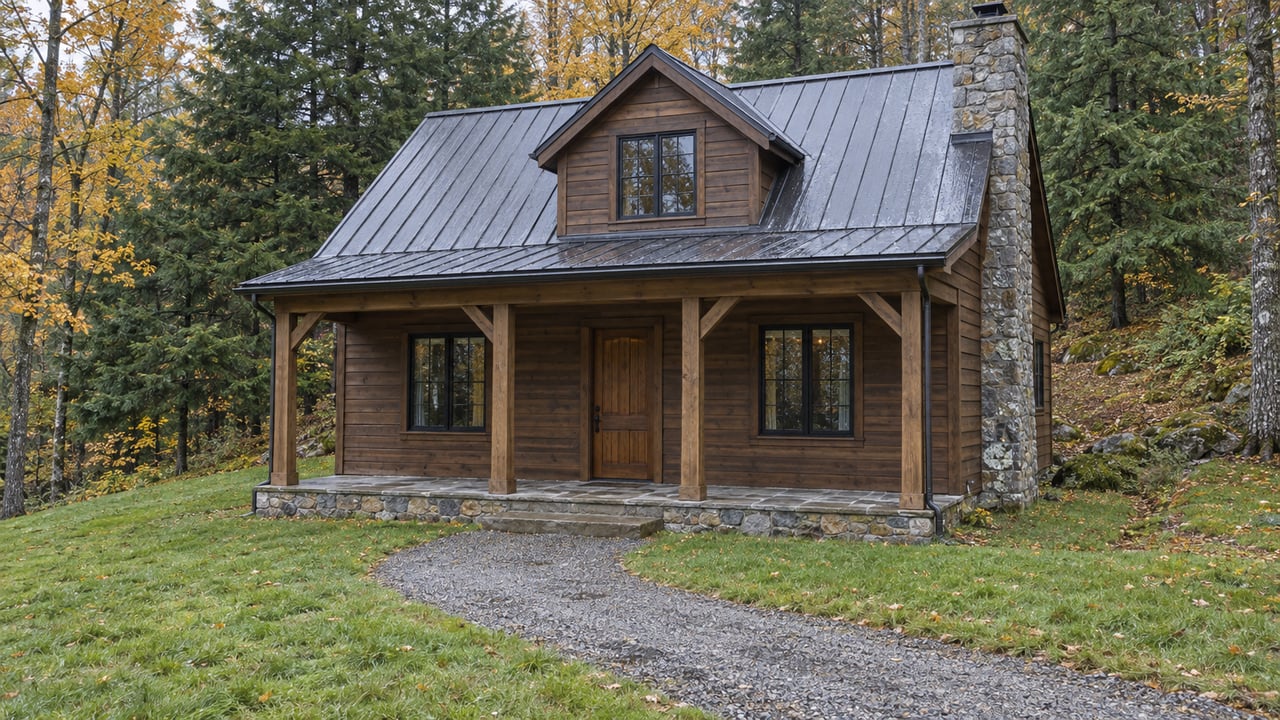
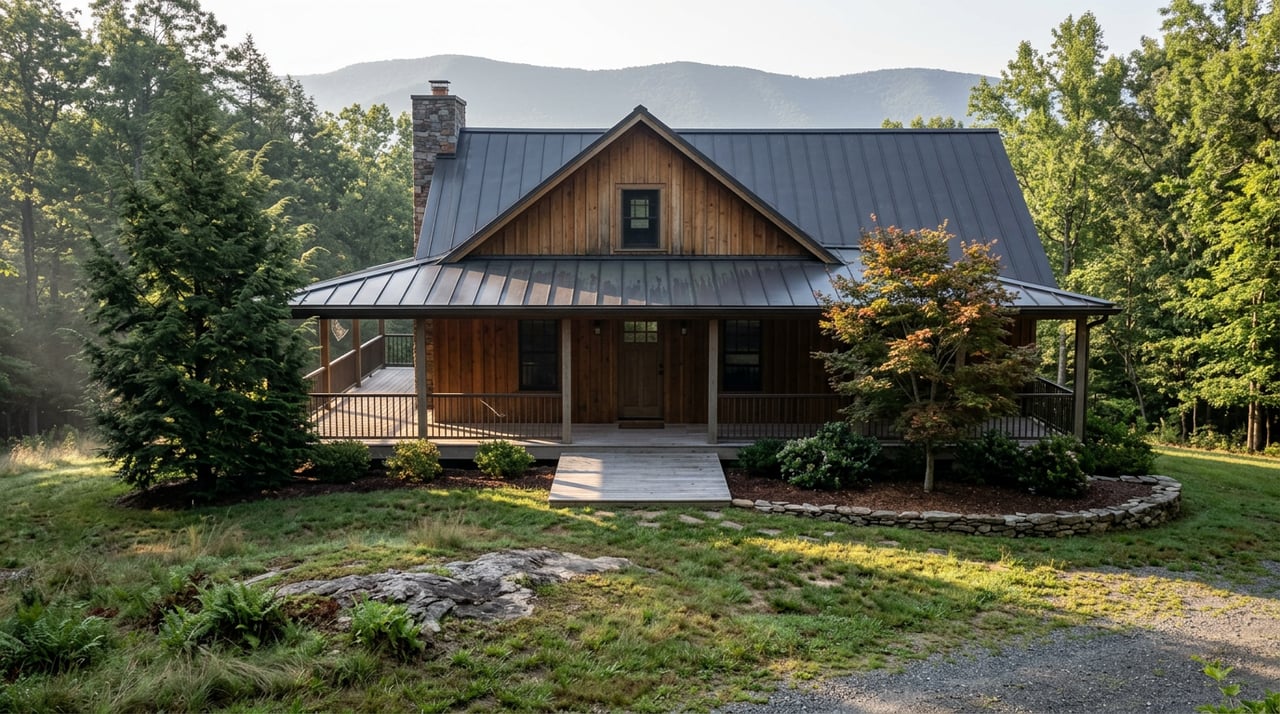
If space and privacy are your top priorities, ridge-top or rural living may be more appealing. Properties outside town are often shaped by larger parcels, more open settings, and greater separation between homes. That can be especially attractive if you are looking for a mountain retreat, a second home, or land with room to spread out.
Town zoning also gives some clues about this pattern. The Residential Agriculture district is designed to maintain open, agricultural character and allows uses like bona fide farms, single-family and two-family dwellings, and manufactured homes. That suggests many outlying properties will feel less compact and more land-oriented than homes in town.
Privacy usually comes with more land
In the West Jefferson area, ridge-top and rural searches are more likely to surface single-family homes on larger parcels, along with land-heavy farm or forestry settings. The exact feel depends on the parcel, but many buyers are drawn to the added spacing and flexibility that can come with a rural property.
This setup can work well if you value elbow room or want a property with a stronger connection to the surrounding landscape. It can also be a better fit if you are considering acreage or a home where the land itself is a major part of the purchase.
Rural ownership often needs more planning
The tradeoff is that rural properties usually require more due diligence. Ashe County departments note that permits can depend on floodplain issues, town zoning where applicable, and environmental health compliance. Outside the town limits, the county’s E911 office provides addresses for locations outside Jefferson and West Jefferson city limits to support emergency response.
That does not mean rural properties are harder to buy. It does mean you should expect more property-specific questions before you move forward.
Utilities and infrastructure differ a lot
The biggest practical difference between downtown and ridge-top living often comes down to utilities and service access. In town, municipal water and sewer are a major benefit in the areas planned for denser housing. Outside town, many properties rely on private systems instead.
AppHealthCare says that when a municipal sewer system is not available, the most common alternative is a septic system. Its private well program also states that private wells are permitted and inspected to help protect drinking water and groundwater.
What to expect on rural lots
If you are considering a ridge-top or rural property, utilities should be part of your early review. Septic site evaluation looks at lot slope, soil composition, wetness conditions, soil depth, restrictive factors, and available space. AppHealthCare also says the house, driveway, property lines, and well must be finalized before wastewater construction authorization is issued.
That is a big reason why two properties with similar views can have very different timelines, costs, or building potential. A great-looking parcel still needs to work on paper and on the ground.
Waste and road services may be different
Town residents have access to scheduled residential trash pickup, along with town street snow removal and maintenance. Rural properties may not have those same service patterns. For properties without town trash service, county convenience centers and the landfill may become part of the routine.
This is not necessarily a drawback. It is simply part of understanding how daily life works outside the town core.
Buyer tradeoffs to think through
There is no universal winner between downtown and ridge-top living around West Jefferson. The better choice depends on what you want from the property and how involved you want to be with site-specific details.
A simple way to compare the two is this:
| Lifestyle | Best Known For | Key Considerations |
|---|---|---|
| Downtown West Jefferson | Convenience and municipal services | Smaller lots, closer spacing, more compact setting |
| Ridge-top or rural | Space and privacy | More attention to wells, septic, slope, road access, and waste logistics |
If you want a home that feels easy to maintain and close to services, downtown may check the right boxes. If you want privacy, land, or a more tucked-away mountain setting, a ridge-top or rural property may be the better match.
How to decide what fits you best
Start with your daily habits, not just the view. Ask yourself how much you value walkability, town services, and easier utility setup versus land, privacy, and a more rural setting. Being honest about your routine can narrow the search quickly.
Next, think about the property’s purpose. A full-time home, second home, land purchase, or future build can each point you in a different direction. In the West Jefferson area, that distinction matters because site conditions can shape what is practical on rural and ridge-top parcels.
Finally, get local guidance early. In a market where zoning, utilities, and terrain can shift from one property to the next, local experience helps you avoid surprises and move with confidence.
If you are weighing downtown convenience against ridge-top privacy around West Jefferson, working with a broker who knows the local permitting landscape, land considerations, and neighborhood patterns can make the process much smoother. When you’re ready to talk through your options, connect with Chris Barr for a clear, practical plan tailored to your goals.
FAQs
What is the main difference between downtown and ridge-top living around West Jefferson?
- Downtown West Jefferson is generally defined by convenience and access to municipal services, while ridge-top or rural living is usually defined by more space, privacy, and greater attention to site conditions like slope, wells, and septic.
What utilities are common for downtown West Jefferson homes?
- In town, municipal water and sewer are expected in certain residential districts, and residents may also benefit from town trash pickup, street maintenance, and snow removal on town streets.
What should buyers know about septic systems on rural Ashe County properties?
- AppHealthCare says septic evaluations can depend on slope, soil composition, wetness conditions, soil depth, restrictive factors, and available space, and the house, driveway, property lines, and well must be finalized before wastewater construction authorization is issued.
Are ridge-top properties around West Jefferson usually more private?
- Many ridge-top and rural properties offer more separation and larger parcels than in-town lots, although the exact level of privacy depends on the specific parcel and its setting.
Is downtown West Jefferson more walkable than rural areas nearby?
- The town says sidewalks connect residential areas to downtown, which supports a more walkable in-town lifestyle than is typical for ridge-top or rural properties outside the town core.
Who should consider ridge-top or rural living near West Jefferson?
- Buyers who value land, privacy, and a more open mountain setting, including some second-home and acreage buyers, may find ridge-top or rural properties a better fit if they are comfortable with more property-specific due diligence.