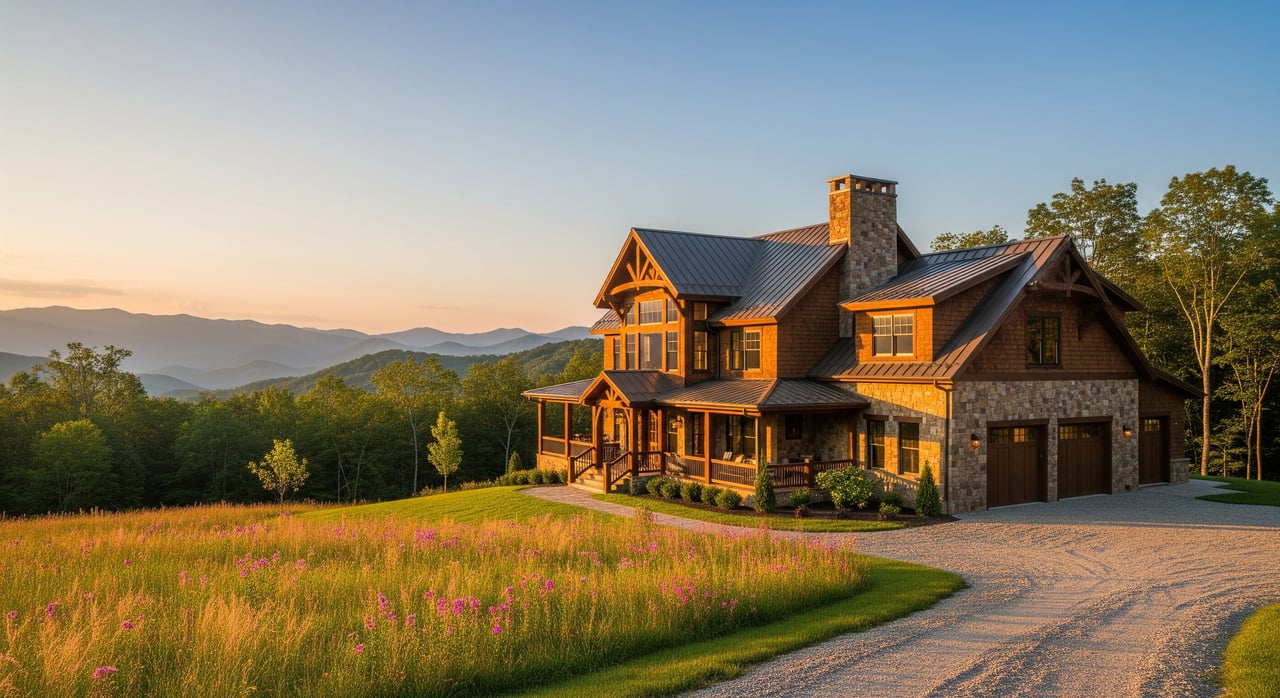
Buying a mountain home from out of town can feel like taking a leap. You want the views and privacy, but you also need to trust what you are seeing through a screen. With the right plan, you can tour, verify, and close on a West Jefferson home with confidence. This guide gives you a step‑by‑step remote touring playbook tailored to 28694 so you can move fast and reduce risk. Let’s dive in.
West Jefferson basics to verify
Mountain properties come with unique considerations. Before you fall in love with a view, confirm the details that affect daily life and access.
- Year‑round access and maintenance: Ask about steep driveways, private roads, snow and ice in winter, and who pays for maintenance.
- Utilities: Many homes use private wells and septic systems. Verify well capacity and water quality, septic permits and age, and any maintenance records.
- Heating and fuel: Homes may run on electric, heat pumps, propane, or wood. Ask about tank size, delivery schedules, and winterization.
- Broadband and cell service: Coverage can vary in mountain areas. Confirm providers and speeds if you plan to work remotely or market as a rental.
- Hazards: Use the FEMA Flood Map Service Center to check flood zones and insurance requirements. Review EPA guidance on radon and plan to test. Consider slope, drainage, wildfire exposure, and erosion.
Helpful resources:
- Review flood zones at the FEMA Flood Map Service Center.
- Learn about radon risk and mitigation from the EPA radon page.
- Understand agency and disclosure basics from the North Carolina Real Estate Commission.
Build your remote tour kit
Your goal is to approximate being there. Combine professional media, live video time on site, and measurements you can trust.
Live video walkthrough plan
A live walkthrough is your chance to direct the tour in real time.
- Choose your platform: FaceTime, WhatsApp, Zoom, or Google Meet. Confirm signal on site before the tour.
- Equipment: Your agent should use a stabilizer and a wide‑angle lens for smooth video and broader views.
- Flow and pace: Start outside, then move inside in a logical order. Move slowly and narrate features and any limits.
- Revisit areas: Ask to loop back to anything important. Request close‑ups of mechanicals, windows, and thresholds.
Suggested live tour sequence:
- Exterior: Driveway grade, parking, lot slope, grading and drainage, roofline, siding, and exterior condition.
- Lot context: Lot boundaries as known, well head and septic tank lid locations if visible, distances from trees to structures, and ambient noise.
- Interior: Entry, main living areas, kitchen, bedrooms, baths, utility rooms, and any bonus spaces.
- Mechanicals and structure: Electrical panel labels, HVAC age and filter location, water heater, crawlspace/attic access and visible signs of moisture.
- Finish with a 360 view: Show the surrounding setting and proximity to roads or neighbors.
Recorded media you should receive
High‑resolution visuals help you review and share with your inspector.
- Professional photos: Interior, exterior, and twilight shots.
- Property video tour: A steady, narrated walk‑through.
- Drone footage: Approach, driveway grade, property slope, neighboring uses, and view orientation.
- 3D tour: Matterport or 360 tours for self‑guided exploration and basic measurements.
Ask that media be labeled with dates and who produced it, and that originals be available for inspection review.
Floor plans and measurements that matter
Square footage and layout drive value and livability.
- Request a floor plan with room sizes and total living area, including the source of measurements.
- For critical purchases, order an as‑built measured floor plan or a survey to confirm building placement and boundaries.
Connectivity verification on site
If remote work or streaming is part of your plan, verify performance.
- Internet: Ask your agent to run a speed test on site and share a screenshot.
- Cell service: Confirm your carrier’s signal in key areas of the property.
Remote due diligence checklist
A thorough document and inspection stack reduces surprises and gives you leverage if issues arise.
Get these documents early
- Seller disclosures and required state forms.
- Current deed, tax card, recent tax bill, and any recorded easements or covenants.
- HOA or POA rules, fees, and any assessments, if applicable.
- Maintenance records for roof, HVAC, well, and septic.
- Title commitment and any available survey or plat map.
The North Carolina Real Estate Commission outlines disclosure and agency rules so you know what to expect.
Inspections and tests to order
Use licensed, local pros familiar with mountain properties and ask for photo‑rich reports. For what a general inspection includes, review ASHI’s guide to home inspections.
- General home inspection: Join by video if you cannot attend.
- Septic evaluation: Include pump history, a visual check, and a dye test or system evaluation as indicated.
- Well and water testing: Check for coliform/E. coli, nitrates, and any local concerns. Request any well logs or permits.
- Radon testing: Plan for a 48–96 hour test with a continuous monitor.
- Roof and attic: Consider thermal imaging if moisture is suspected.
- Chimney and fireplace: Inspect for safety and venting; verify carbon monoxide detection.
- Pest inspection: Look for wood‑destroying insects if risk is present.
- Sewer scope: If connected to municipal sewer, scope the lateral where applicable.
- Survey and boundaries: Order a boundary survey if lot lines, setbacks, or driveway rights are unclear.
Choosing and coordinating inspectors
- Prioritize inspectors who provide high‑resolution photos and short video clips.
- Ask for a sample report before hiring.
- Request a live summary call after the inspection and a recorded walkthrough if you cannot attend.
- Consider a concierge inspection that adds drone roof views, thermal imaging, or sewer scopes when needed.
Contingencies and negotiating repairs
- Include an inspection contingency so you can renegotiate, request repairs, or walk away if needed.
- For older or unknown systems, consider escrow holdbacks, seller‑paid repairs before closing, or price adjustments.
- Get all agreements in writing with deadlines and clear scopes of work.
Title and survey essentials
- Order a full title search and commitment.
- Review all recorded easements and restrictions that affect access, driveways, and shared roads.
- When future fencing, buffers, or additions matter, get a new boundary survey.
Financing, appraisal, and closing remotely
Plan ahead with your lender and title company to avoid delays.
- Preapproval and appraisals: Secure preapproval early. Appraisers often require interior access; coordinate with your agent and the seller.
- Remote closing: Remote online notarization and e‑closing availability can vary by lender and title company in North Carolina. Confirm what is allowed for your loan type.
- Power of attorney: If you cannot travel, consult legal counsel about a POA. Some parties limit POA use, so get approvals in advance.
- Insurance: Get homeowners quotes early and check whether flood insurance is required based on flood maps. If you plan short‑term rentals, confirm coverage or needed endorsements.
Short‑term rental and tax checks
If rental income is part of your plan, verify rules before you offer.
- Local rules: Confirm any licensing, permitting, and occupancy limits through the town and county.
- Taxes and fees: Ask about property tax rates and whether a local occupancy tax applies to short‑term rentals.
- HOA or POA: Review rental restrictions, parking policies, and quiet hours.
Remote tour checklist for 28694
Use this during a live video tour and compare findings with your inspector’s report.
Arrival and approach
- Driveway grade and surface type.
- Parking and turnarounds for winter conditions.
- On‑site cell signal check.
Lot and setting
- Slope, drainage paths, and any retaining walls.
- Well head and septic tank lid locations if visible.
- Distance from large trees to structures.
Exterior and roof
- Siding condition, trim, and flashing.
- Roof shingles, age if known, and visible penetrations.
- Gutters, downspouts, and where water discharges.
Foundation and crawlspace/basement
- Signs of moisture, efflorescence, or cracks.
- Sump pump or dehumidifier presence and status.
- Insulation and vapor barrier coverage.
Mechanicals and safety
- HVAC age, filter location, and service tags.
- Water heater year and venting type.
- Electrical panel amperage and labeled circuits.
- Smoke and carbon monoxide detectors; GFCI outlets in wet areas.
Interior function
- Doors and windows open/close smoothly.
- Run hot and cold water; check under sinks for leaks.
- Flush toilets; test shower pressure and temperature.
- If included, run appliances briefly to verify operation.
Neighborhood context
- Ambient noise, traffic, and privacy.
- 360 view of surroundings and orientation to sun and views.
How Chris’s team de‑risks your remote buy
You deserve a turnkey experience that covers the details you cannot see from afar. Here is how a well‑run local team can help you move with confidence.
- Pre‑tour package: High‑resolution photos, drone, 3D tour, floor plan with dimensions, and a quick property history summary.
- Connectivity check: On‑site internet speed test and carrier notes so you know what to expect.
- Live tours, done right: Scheduled live video walks with professional equipment, clear narration, and extra time for your questions.
- Inspector‑accompanied calls: Join your inspection live by video so you can ask real‑time questions and see key findings.
- Inspection concierge: Introductions and scheduling with licensed local inspectors for general, septic, well, radon, roof, chimney, and more.
- Document facilitation: Secure delivery of disclosures, HOA documents, utility bills, maintenance records, and title options.
- Local vendor referrals: Vetted cleaners, property managers, winterization services, and emergency contacts to support second‑home ownership.
- Closing logistics: Clear guidance on remote signing options, appraiser access, and possession planning.
Your step‑by‑step remote path
- Define your must‑haves: Layout, driveway slope tolerance, internet speed, rental potential, and proximity to downtown or outdoor access.
- Request the media pack: Photos, drone, 3D tour, and floor plan before a live walk.
- Schedule the live tour: Confirm the best time for lighting and your preferred app.
- Order inspections early: Lock in availability for general, septic, well, radon, and specialty tests.
- Keep your contingency: Protect your ability to renegotiate if the inspection reveals issues.
- Verify title and boundaries: Review easements and order a survey when lines or driveways are unclear.
- Final walk‑through by video: Confirm agreed repairs, utility status, and condition before closing.
Ready to tour West Jefferson homes from your sofa with local eyes on the ground? Connect with Chris Barr for a tailored remote‑buyer plan, vetted inspector referrals, and a smooth path to closing.
FAQs
How reliable are virtual tours for West Jefferson homes?
- Virtual tours combined with independent inspections, full documentation, and measurement sources provide a strong picture but do not replace boots on the ground. Keep an inspection contingency and consider escrow holdbacks for major unknowns.
Can I close on a North Carolina home entirely remotely?
- Often yes, depending on your lender and title company. Confirm remote online notarization and e‑closing options early, or plan for a limited power of attorney if travel is not possible.
Which inspections are must‑haves in 28694?
- A general home inspection, septic evaluation, well water testing, radon test, and roof or chimney inspection as indicated. Add sewer scopes or thermal imaging based on property age and inspector guidance.
How do I verify property boundaries and driveway rights?
- Review recorded plats and easements and order a boundary survey if access or lines are unclear. Confirm who maintains any private roads or shared driveways.
What should I know about internet and cell service in the Blue Ridge?
- Coverage and speeds vary by location. Ask for on‑site speed tests and a quick check of your carrier’s signal at the property.
How do I handle repairs if I cannot be on site?
- Use written repair agreements with deadlines, request before‑and‑after photos and receipts, and consider escrow holdbacks until work is verified by an independent inspector or contractor.
Do West Jefferson homes often have wells and septic systems?
- Yes, many properties rely on private well and septic. Verify well capacity and water quality, septic permit and age, and maintenance history, and schedule appropriate inspections.