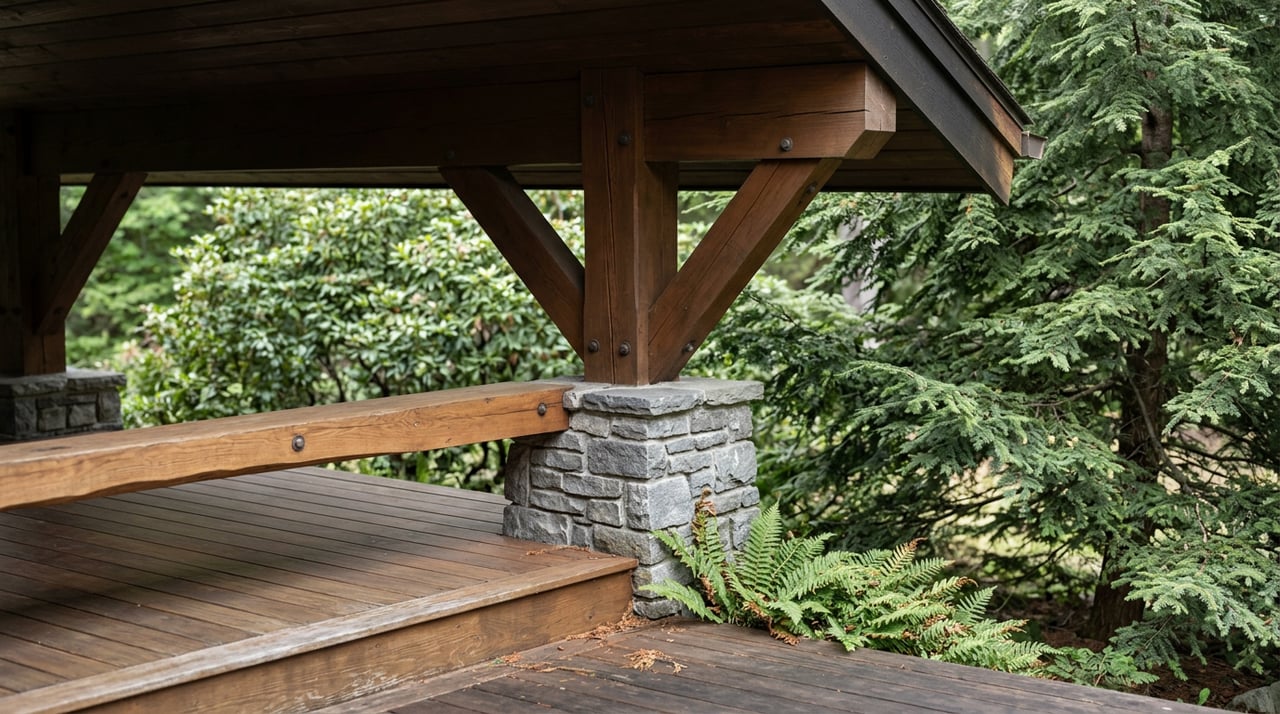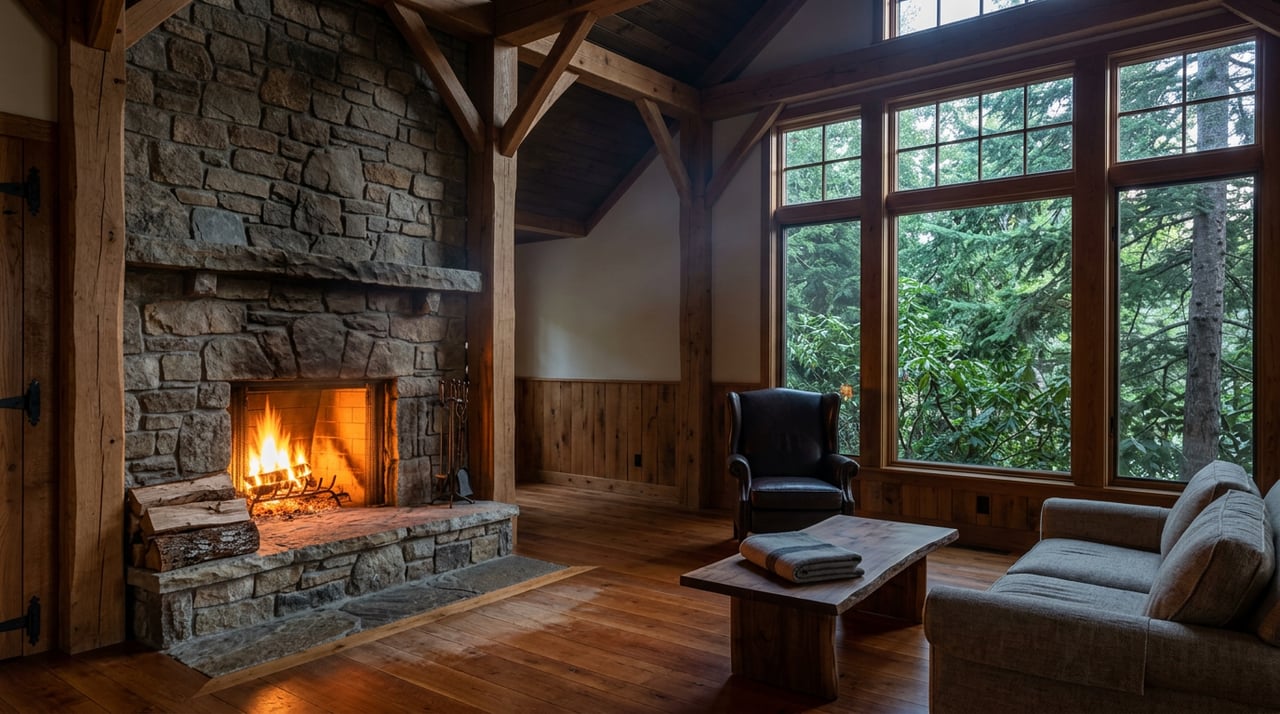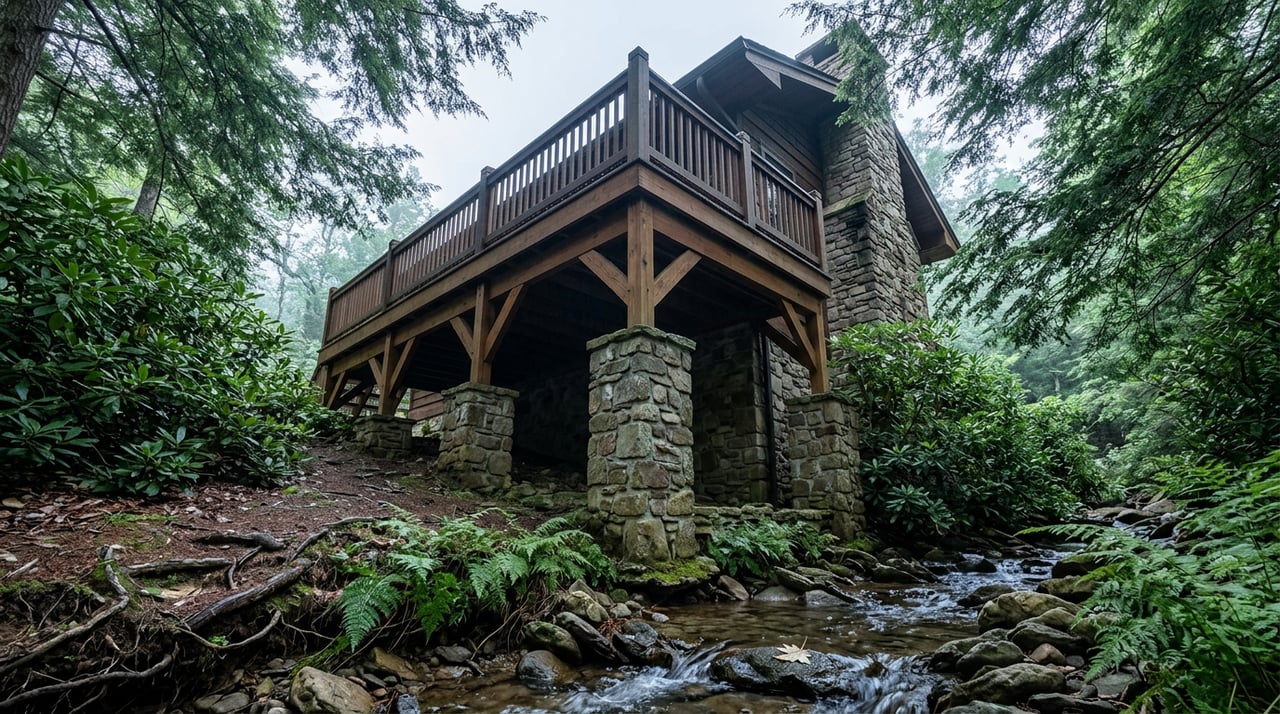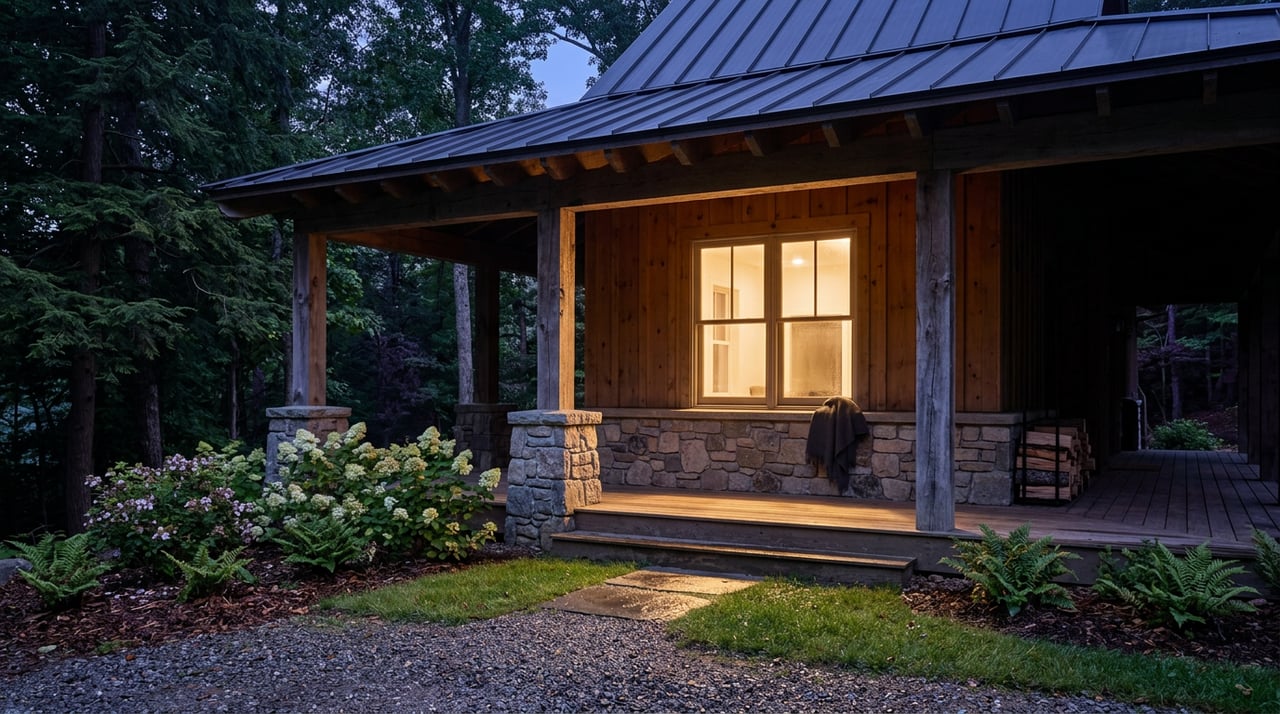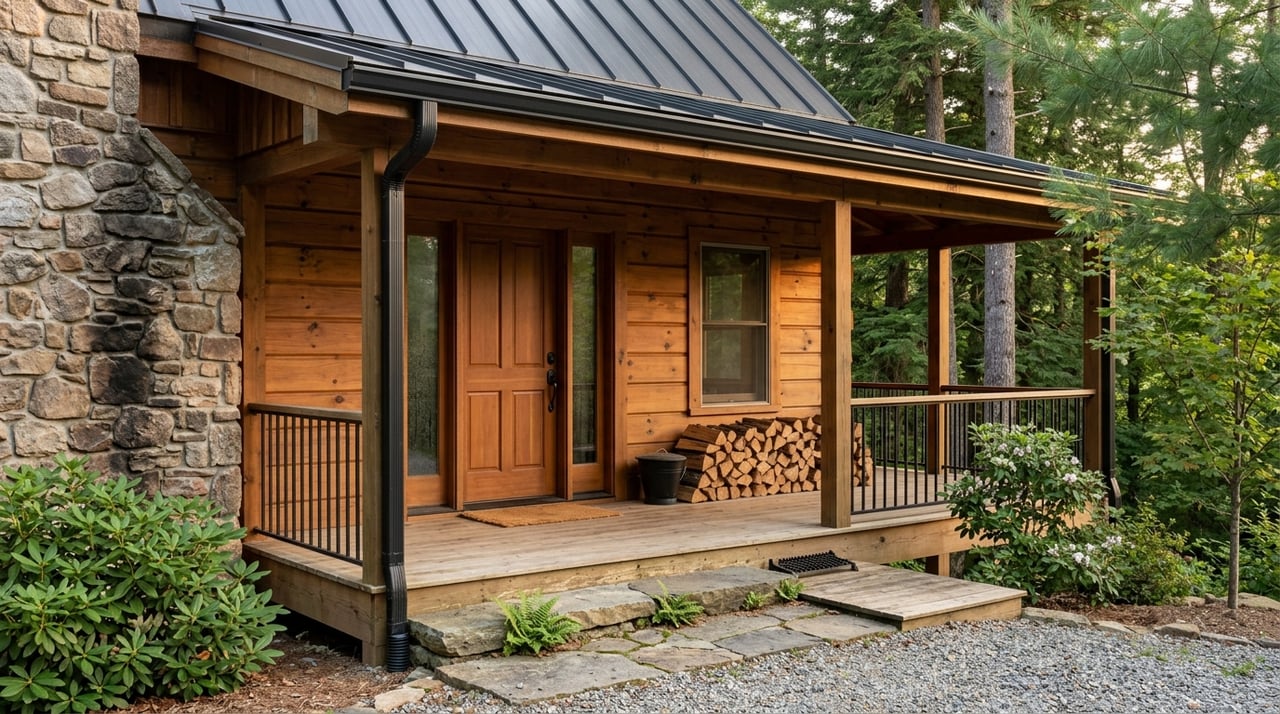
If you have only seen Ashe County through fall photos, cabin listings, or a weekend drive, you are only getting part of the story. The scenery is real, but daily life here is shaped just as much by road access, weather shifts, county services, and a steady local rhythm that keeps the area moving year-round. If you are thinking about buying, selling, or simply understanding what life here actually feels like, this guide will help you look past the vacation brochure and into the practical side of mountain living. Let’s dive in.
Ashe County feels rooted, not resort-driven
Ashe County is a lived-in mountain county, not a dense resort market built only around visitors. The U.S. Census Bureau estimates 27,514 residents in 2025 spread across 426.26 square miles, which works out to about 62.3 people per square mile. That low density shapes how the county feels from one day to the next.
You see that rooted character in the housing patterns too. About 79.4% of housing units are owner-occupied, and 28.3% of residents are 65 or older. The county also shows strong signs of stability, with 93.2% of households living in the same home one year later.
For you as a buyer or seller, those numbers matter. They point to a place where people tend to stay, know their routines, and rely on local systems instead of short-term tourism alone. That can create a very different experience than what you might expect from a mountain area marketed mostly through second-home imagery.
Daily life is built around driving and planning
Mountain living in Ashe County is practical. The average commute is 25.3 minutes, which gives you a good sense of how normal it is to drive for work, errands, appointments, and events. Even when destinations are not far in miles, the county’s spread-out layout makes access and route planning part of everyday life.
Regional access is anchored by US 421, US 221, NC 16, and NC 88. About 30 miles of the Blue Ridge Parkway also pass through the county. That road network supports local movement and visitor traffic, but for full-time residents it is really about getting where you need to go efficiently in changing weather and terrain.
This is one reason property access matters so much in mountain real estate. A home can be beautiful on paper, but driveway grade, road condition, and how easily you reach town in different seasons can shape your experience just as much as square footage or views.
Weather is part of the lifestyle
In Ashe County, weather is not background scenery. It is part of how you plan your week, maintain a home, and think about travel. NOAA data from the Jefferson 2 E station at 2,759 feet shows an annual mean temperature of 51.1°F, annual precipitation of 50.95 inches, and annual snowfall of 14.4 inches.
Summer is comfortable by many standards, with average July temperatures around 81.0°F for highs and 58.0°F for lows. Winter is real, with average January temperatures around 47.0°F for highs and 24.5°F for lows. In between, the shoulder seasons can shift quickly, which is something full-time residents learn to respect.
That four-season pattern is part of the appeal, but it also changes how you evaluate a property. You may want to think more carefully about insulation, roof condition, heating systems, exposed plumbing, power reliability, and how a driveway handles rain or winter weather. Those are not side issues in the mountains. They are part of day-to-day ownership.
Forecast awareness is normal here
Ashe County’s emergency management resources point residents to weather tools like the National Weather Service, NOAA, airport conditions, the North Carolina State Climate Office, the U.S. Drought Monitor, and NOAA Weather Radio. That tells you something important about the local mindset. In Ashe County, checking the forecast is not a minor habit. It is part of staying ahead of the day.
Regional hazard planning also notes that the High Country sees more dramatic weather swings than much of North Carolina, especially during spring and fall. For buyers coming from flatter or more urban areas, that can be one of the biggest adjustments. The views are part of the package, but so is a more weather-aware routine.
County services matter more than you might expect
One of the clearest signs that Ashe County is a real year-round community is the range of county departments supporting everyday life. County services include building inspections, planning, environmental services, E911 addressing, parks and recreation, the public library, the register of deeds, veterans services, and the county airport. Those are the systems that make rural ownership workable.
If you are looking at land, cabins, or homes outside town limits, this matters even more. The planning department administers land-use rules for residential subdivisions, mobile home parks, recreational vehicle parks, and communications towers. E911 addressing also serves locations outside Jefferson and West Jefferson city limits, which shows how normal it is here for ownership questions to include access, addressing, and site logistics.
This is where local guidance can make a real difference. In mountain markets, the property itself is only part of the picture. Understanding permits, access, and local process can help you avoid surprises and make better decisions from the start.
Everyday essentials are close to home
Ashe County’s service network is centered largely around Jefferson and West Jefferson, and that creates a practical hub for daily life. Healthcare is a strong example. Ashe Memorial Hospital in Jefferson provides emergency care, advanced surgeries, orthopaedic services, oncology services, and a birthing center, along with a non-life-threatening express-care option on campus.
That does not mean every specialized service is inside the county, but it does mean many routine and urgent needs can be handled locally. For year-round residents and second-home owners alike, that kind of access can be a major part of how comfortable a location feels.
The Ashe County Public Library in West Jefferson is another good example of daily infrastructure that often gets overlooked in mountain lifestyle marketing. It offers books, audiobooks, movies, periodicals, public computers, computer classes, and programs for children, teens, and adults. Its regular hours throughout the week reinforce the fact that Ashe County functions as a full community, not just a scenic backdrop.
Environmental services are part of ownership
In a rural county, property ownership includes practical systems that buyers from other markets may not think about right away. Ashe County Environmental Services operates the county landfill, convenience centers, and recycling program. The county also lists a $150 household annual disposal tax.
That is not glamorous, but it is real life. If you are comparing Ashe County to a more urban market with curbside systems built into a different service model, these details are worth understanding early. They help you picture what owning and maintaining property here really looks like.
Schools and community anchors shape the year
Even if you are not moving with school-age children, school systems often help define the rhythm of a county. Ashe County Schools serves about 2,900 students across six schools and a preschool program. The district also includes an early college and says high school students have access to 18 career and technical education pathways and college-level coursework through Wilkes Community College.
That makes the school calendar an important part of the county’s pace and identity. It is one of several institutions that keep the area grounded in year-round routines rather than seasonal turnover. For many buyers, that is part of what makes Ashe County feel established and steady.
The local economy blends work and scenery
Ashe County has a mountain image, but its economy is broader than tourism alone. The county’s economic development office says agriculture remains vital, even as the economy has diversified beyond its traditional agricultural and textile base. Ashe County is also identified as the largest Christmas tree producer in the nation, with local farms producing cattle, pumpkins, strawberries, and other crops.
That matters because it helps explain why the county feels active and working, not just picturesque. The scenery and outdoor appeal are real, but they exist alongside industries, farms, schools, healthcare, and retail activity. Census QuickFacts also reports $386.977 million in retail sales in 2022, which adds to the picture of a functioning local economy.
For you, this means Ashe County offers more than a seasonal experience. It has an everyday backbone that supports residents who live, work, own property, and stay engaged here over time.
Events are not just for visitors
A lot of mountain markets feel busy for a few months and quiet the rest of the year. Ashe County has a different rhythm. The Ashe County Chamber of Commerce maintains event calendars for residents, seasonal homeowners, and visitors, and recurring events like the Christmas in July Festival and Ashe Bash show how community activity returns in repeated pulses through the year.
That kind of rhythm matters more than many buyers expect. It gives the county a sense of continuity and helps create a local identity that is social without feeling overbuilt or overly commercial. You are not just buying scenery here. You are stepping into a place with its own calendar and habits.
Year-round landmarks reinforce that feeling. Ashe County Cheese, known as North Carolina’s oldest cheese plant, is both a point of interest and a practical local stop. The same is true of choose-and-cut Christmas tree farms, which are not just postcard material but part of a working local industry.
What buyers should understand before moving here
The best way to think about Ashe County is simple: it is scenic and functional at the same time. That balance is what makes it appealing to full-time residents, second-home owners, and land buyers who want more than a weekend view.
Before you buy, it helps to look closely at a few mountain-specific basics:
- Road access and drive time to the places you use most
- Driveway slope and how it may perform in rain or winter weather
- Utility setup and overall property maintenance needs
- Permit or planning questions for land, additions, or improvements
- Distance to healthcare, schools, and day-to-day services
- How seasonal weather may affect your routine
If you already own property here, these same factors can shape how your home should be presented to the market. Buyers often need help understanding the lived-in side of mountain ownership, and the right marketing can frame those details as strengths rather than unknowns.
Why local expertise matters in Ashe County
In a market like Ashe County, real estate is rarely just about bedrooms, baths, and a view. The full picture often includes land use, access, permitting, vendor coordination, and how a property functions across all four seasons. That is especially true for acreage, cabins, remote homes, and properties outside town centers.
Working with someone who knows the area on a practical level can help you move faster and with more confidence. Whether you are buying from out of the area or preparing to sell a property that needs the right positioning, local knowledge helps connect the brochure version of the mountains with the day-to-day reality of owning here.
If you are thinking about buying, selling, or evaluating property in Ashe County, Chris Barr can help you make sense of the details that matter, from access and permitting to pricing, presentation, and next steps.
FAQs
What is daily life like in Ashe County beyond the vacation image?
- Daily life in Ashe County is quieter, more drive-based, and more rooted in year-round services, weather awareness, and local routines than the typical mountain getaway image suggests.
What should Ashe County home buyers know about mountain weather?
- Ashe County has four true seasons, with mild summers, real winter conditions, and changeable spring and fall weather, so buyers should pay close attention to road access, insulation, heating, and overall property maintenance.
What county services matter for Ashe County land and home buyers?
- Building inspections, planning, environmental services, and E911 addressing are especially important because they affect permitting, access, addressing, and ownership logistics for homes and land outside town limits.
What healthcare options are available in Ashe County, NC?
- Ashe Memorial Hospital in Jefferson offers emergency care, advanced surgeries, orthopaedic services, oncology services, a birthing center, and an express-care option for non-life-threatening needs.
What makes Ashe County feel like a year-round community?
- High owner occupancy, stable residency, local schools, healthcare, agriculture, retail activity, county services, and recurring public events all contribute to a strong year-round community feel.
Why is local real estate guidance important in Ashe County?
- Ashe County properties often involve mountain-specific factors like access, land use, permitting, weather impact, and vendor coordination, so local expertise can help you evaluate opportunities and avoid costly surprises.