Are you dreaming about a mountain getaway in Ashe County, but wondering which home features will actually make ownership easy? That is a smart question, especially if you will only use the property part time. In a place with four seasons, mountain roads, and colder winter conditions, the best second homes are often the ones built for simple arrivals, simple departures, and fewer maintenance headaches. Let’s dive in.
Why features matter in Ashe County
Ashe County describes itself as a Blue Ridge mountain county with an elevation of about 3,000 feet and four distinct seasons. The Ashe County Airport station in Jefferson sits at 3,180.1 feet above sea level, which helps explain why weather and elevation play such a big role in day-to-day ownership.
Snowfall is not constant, but it is still part of the picture. North Carolina State Climate Office data show Jefferson’s average annual snowfall dropped from 24.2 inches in 1961 to 1990 to 12.4 inches in 1991 to 2020, and snowfall generally increases with elevation in the mountains. Freezes also matter, even when air temperatures read slightly above freezing at standard measurement height.
If you are buying a second home in or around 28629, that means convenience should rank high on your list. A beautiful setting matters, but so do winter access, durable materials, and systems that do not need constant hands-on attention.
Prioritize easy year-round access
A second home should feel inviting, not complicated. Before you focus on views or finishes, take a hard look at how you will get to the property in different seasons.
Check driveway and road setup
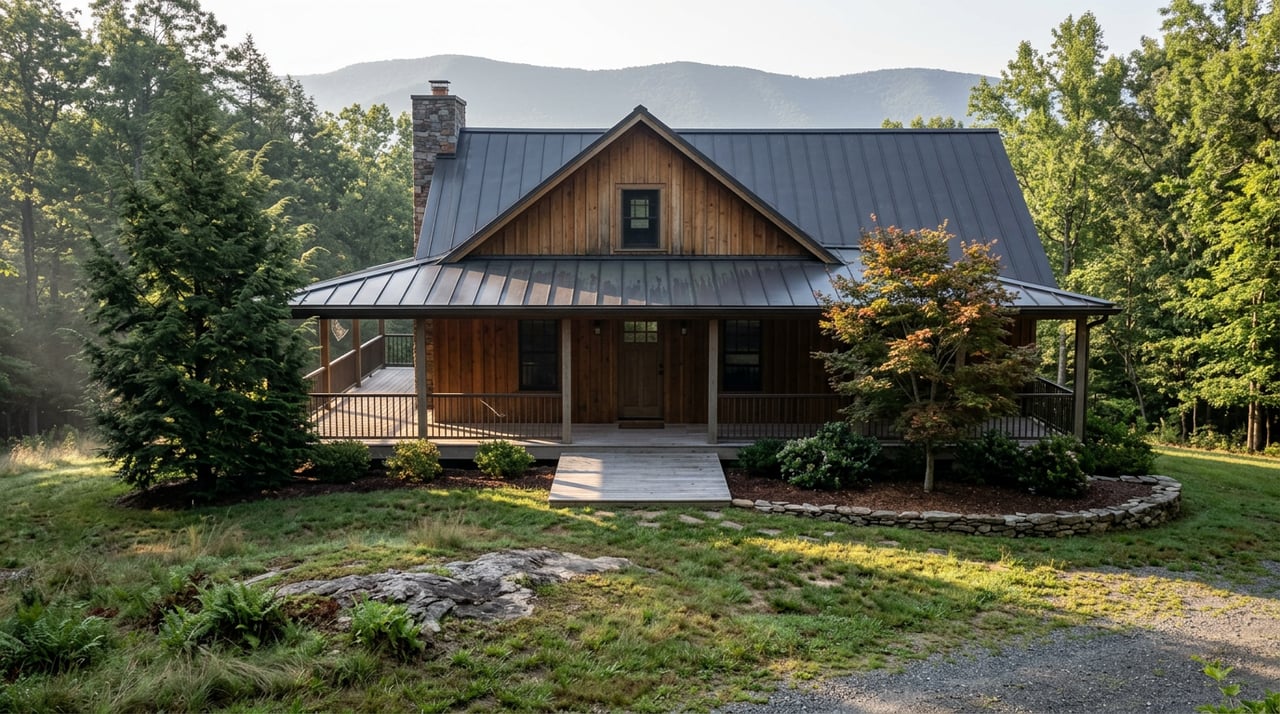
Driveway access can make or break a mountain property. You want a driveway that is already in place or clearly feasible, with room to get in, out, and turn around without stress.
Ashe County also has specific E911 addressing rules. Outside Jefferson and West Jefferson, addresses are assigned after permit requirements are met, and GPS measurements are taken when footers and the driveway are in place. The county also says the E911 number must be posted on the house and at the beginning of the driveway.
Ask about private road details
If the property is on a private road, ask how that road is named and maintained. Ashe County says private road names require approval, and 100 percent of landowners must approve a private road name.
For part-time owners, the practical question is simple: who handles road upkeep, especially in winter or during bad weather? That answer can affect convenience, service access, and peace of mind.
Look for low-maintenance design
The best Ashe County second homes usually balance mountain character with practical ownership. A home can still feel warm and welcoming without loading you up with extra upkeep.
Choose durable finishes
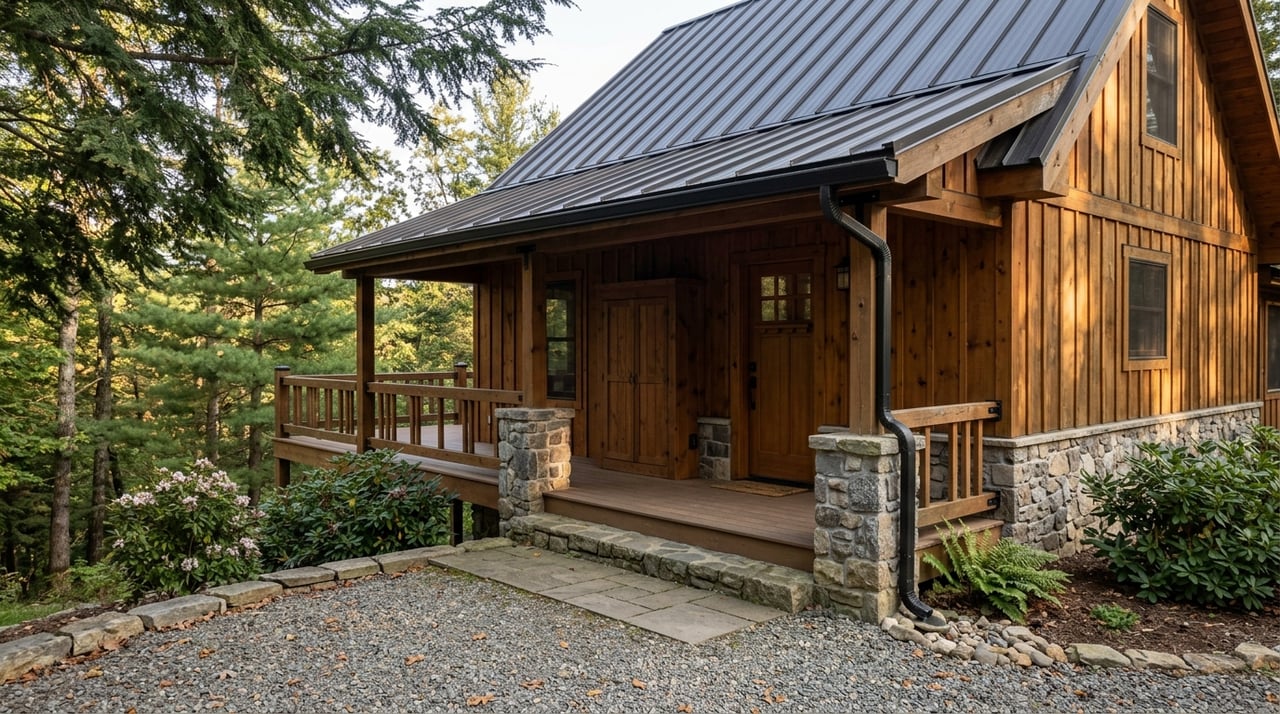
In a climate with winter freezes and occasional snow, durable finishes tend to make more sense than delicate showpiece materials. Easy-clean flooring, practical counters, simple exterior details, covered entries, and straightforward rooflines are all smart features for a part-time property.
These choices can help your home hold up better between visits. They can also reduce the amount of prep work you face every time you arrive for a weekend or holiday stay.
Value covered entry points
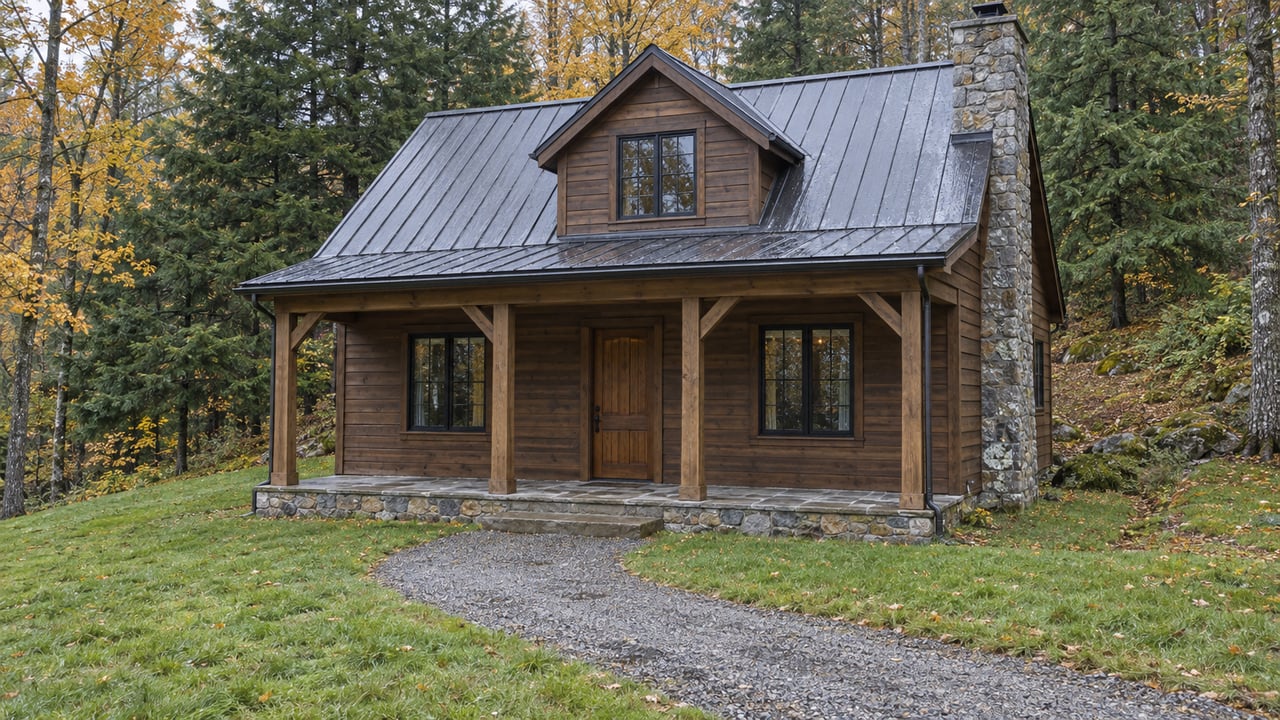
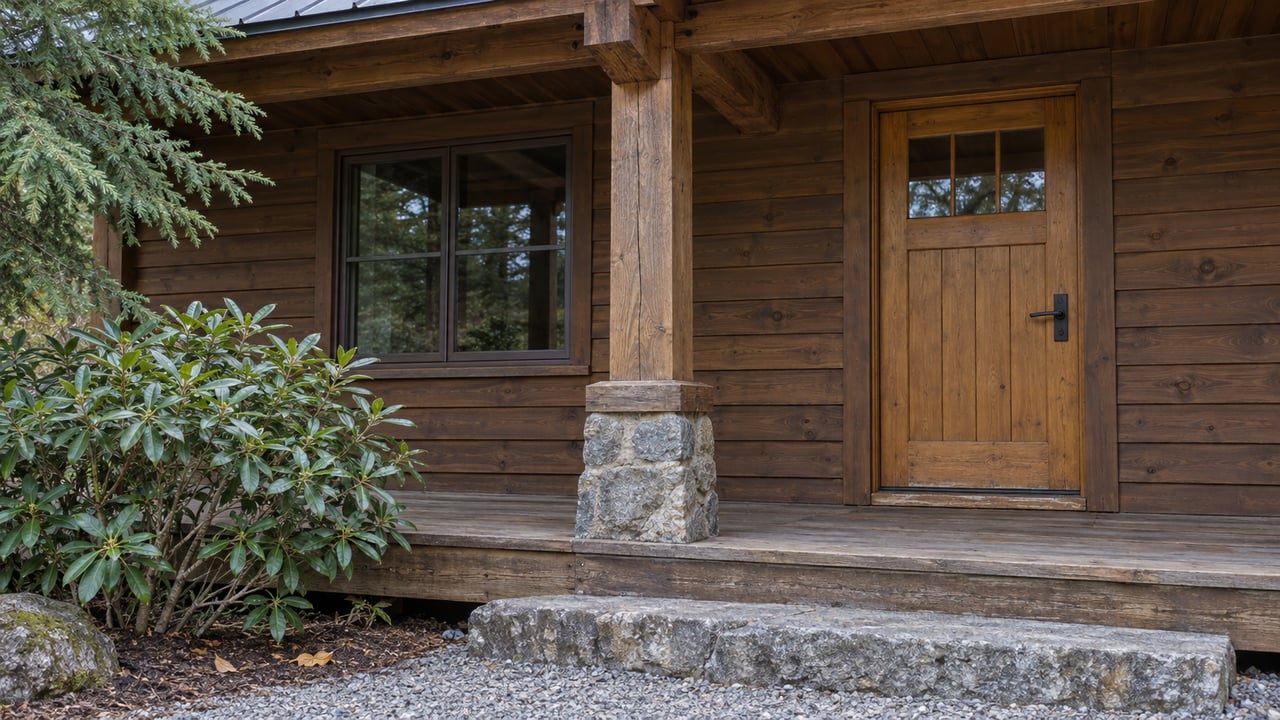
A covered entry is a small feature that can make a big difference. It gives you a more comfortable arrival in rain, snow, or cold weather and helps keep moisture and debris from getting tracked through the house.
That matters even more in a second home, where you want the property to reopen easily after sitting vacant. Simple, weather-friendly design often pays off in convenience.
Focus on winter-ready systems
A second home in the mountains should be easy to shut down and easy to restart. That starts with the home’s core systems.
Pay attention to plumbing protection
Freezes are common enough in Ashe County that plumbing protection should never be an afterthought. Homes with well-protected plumbing and sensible cold-weather detailing are often better suited for part-time use.
Ashe County lists a frost line of 24 inches, which is an important reminder that cold-weather planning matters in both site work and construction. If you are comparing homes or building sites, this is one detail worth asking about early.
Favor manageable heating and cooling
Good insulation and easy-to-manage heating and cooling systems can make a second home much easier to own. If you are not in the house full time, you want systems that support stable indoor conditions without requiring constant monitoring.
That kind of setup can help reduce weather-related surprises between visits. It also supports a more relaxed ownership experience, which is usually the whole point of a mountain retreat.
Make arrival space a priority
Mountain living often means boots, coats, bags, and outdoor gear. A second home works better when it has a clear place for all of it.
Mudrooms and entry storage matter
A true entry or mudroom is one of the most useful features you can find. It helps keep the main living area uncluttered and gives you a practical landing spot when you first walk in.
In a county with four seasons and frequent outdoor use, dedicated storage for coats, boots, and seasonal gear can make the home feel far more functional. This is especially helpful when guests arrive with their own gear in tow.
Keep the main spaces simple
The more organized your storage is, the easier it is to enjoy the home from the moment you arrive. Built-in storage, closets for seasonal items, and utility-friendly entry areas all support that goal.
For second-home buyers, this is not just about neatness. It is about reducing friction and helping the house feel ready without a lot of setup every time you visit.
Choose flexible guest space
Second homes often need to do more with less. You may be there as a couple one weekend, then host family or friends the next.
Multipurpose rooms add value
A room that can serve as both guest space and an office is often more useful than a single-purpose layout. The same goes for lofts, bonus rooms, or spaces that can sleep extra visitors when needed.
This kind of flexibility is a strong match for out-of-area owners who may host short stays rather than live in the property full time. It lets you adapt the home to changing needs without adding unnecessary square footage.
Think beyond the house itself
In Ashe County, the land and site features can matter just as much as the floor plan. A home may look perfect online, but the real test is how workable the site is.
Confirm septic and well readiness
On rural and acreage properties, buildability should come before aesthetics. Ashe County requires a building permit for new construction, and the county says new dwellings should already have septic and well permits from the health department before permit work moves forward.
AppHealthCare handles septic-system permitting and inspection as well as the private well program for Ashe County. If you are buying land or comparing homes with future improvement plans, this is one of the first things to verify.
Study drainage and usable land
A large lot is not automatically an easy lot. Ashe County planning says new development is reviewed under ordinances that include flood control and watershed protection, so usable site conditions matter.
Look for a sensible building pad, drainage that moves water away from the home, and enough usable space for parking, storage, and turning around. On mountain terrain, these basics can affect long-term maintenance more than buyers expect.
A practical checklist for buyers
When you compare second-home listings in Ashe County, keep your questions focused on ownership simplicity. The best property is often the one that works smoothly, not just the one that photographs well.
Here is a helpful shortlist to use:
- Is the driveway already built and easy to use?
- Can the property receive an E911 address, or does it already have one?
- Is the road private, and who maintains it?
- Are septic and well permits already in place if needed?
- Is there enough flat, usable space for parking and turnarounds?
- Does the home have an entry area or mudroom for wet gear?
- Are the finishes durable and easy to maintain?
- Can the home be shut down easily between visits?
Why local guidance matters
Second-home buyers in Ashe County are often balancing beauty with logistics. That is especially true if you are purchasing from out of town and need clear answers about access, permits, site conditions, and practical ownership.
That is where local experience can save you time and stress. A broker who understands mountain properties, permitting steps, and the details that matter for remote buyers can help you spot the difference between a pretty listing and a smart purchase.
If you are looking for a second home in Ashe County or around Glendale Springs, Chris Barr can help you evaluate access, property setup, and the features that make mountain ownership easier.