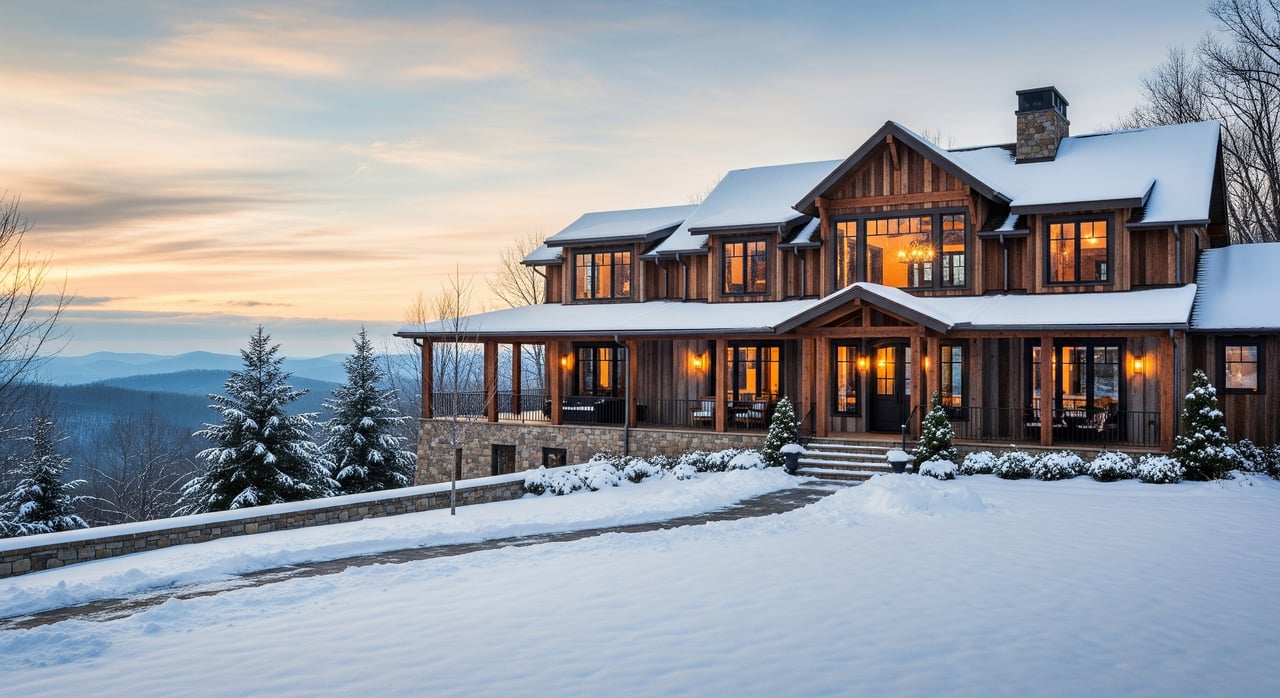
Thinking about buying a home in West Jefferson this winter? You might wonder if the cold months help or hurt your chances. You are not alone. Many buyers weigh fewer listings against the chance to negotiate and truly see how a mountain home performs in harsh weather. This guide explains the trade-offs, the winter-specific checks to run, and how to prepare so you can move with confidence. Let’s dive in.
Winter in West Jefferson: What changes for buyers
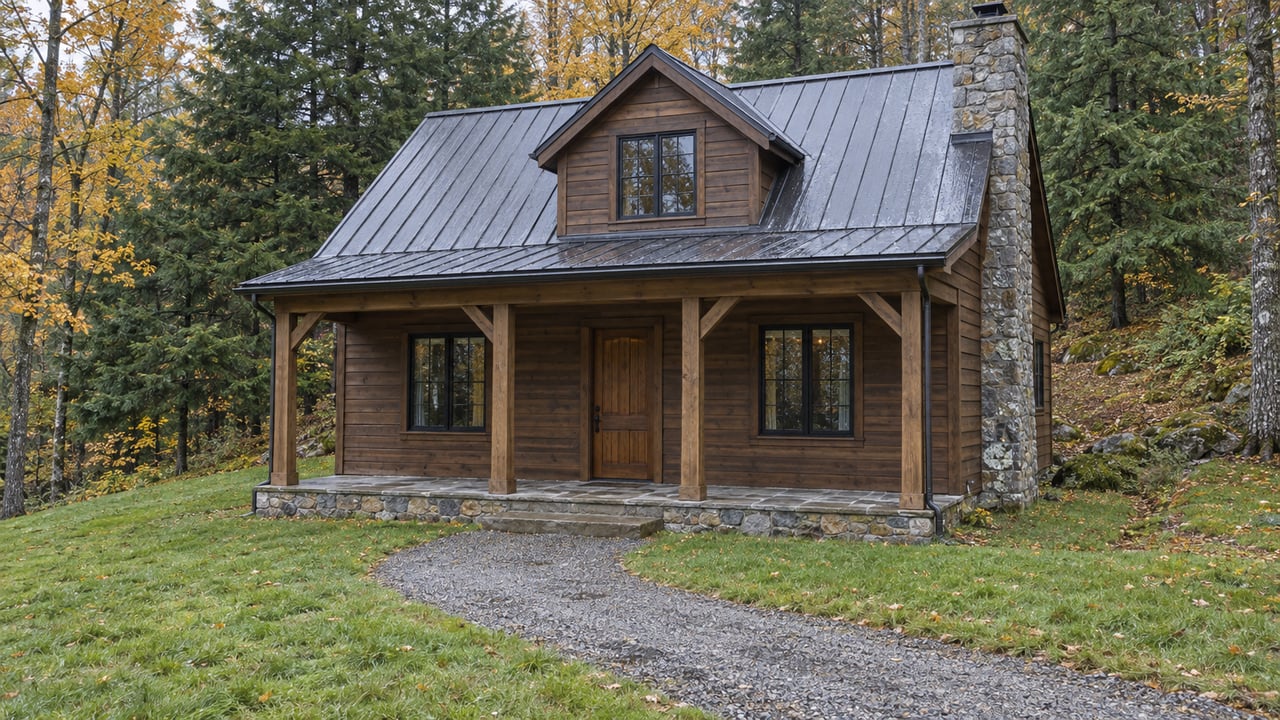
West Jefferson sits in the North Carolina mountains, where elevation and microclimates shape winter conditions. Snow, ice, and freeze-thaw cycles can impact driveways, roofs, gutters, and plumbing. Road type matters too. County-maintained roads may be plowed on a schedule, while private or shared roads often rely on owner or HOA arrangements.
Services can also move slower during storms. Internet, cell service, fuel delivery, and repair crews may face delays. As you tour homes, plan for realistic travel times, ask who handles plowing, and learn how the property performs when temperatures drop.
Market seasonality: Fewer listings, fewer competing buyers
Many markets see lower new-listing volume in winter compared with spring and summer. Smaller mountain towns often follow this pattern. That can mean fewer choices in January and February. At the same time, you typically face less competition from other buyers.
Days on market and price reductions often increase in winter. Motivated sellers remain active due to relocations or timing needs. This creates room to negotiate on price, credits, or terms. Always confirm current patterns with local MLS data for Ashe County and West Jefferson.
Winter trade-offs to weigh
- Advantage: Less buyer competition and more room to negotiate.
- Advantage: Winter weather reveals how a property really functions.
- Disadvantage: Fewer listings and a narrower set of options.
- Disadvantage: Appraisals and inspections may take longer due to weather.
Where winter gives you leverage
You gain leverage when a listing has been on the market for a while, has recent price reductions, or when the seller needs to move by a certain date. These facts support more assertive offers or requests.
Common winter negotiation targets include price, seller credits for repairs, and extra time in the contract to handle weather delays. If exterior work is impractical in cold months, consider repair credits or an agreed holdback at closing until work can be done.
Useful concessions to consider
- Price reduction or seller credit for items found during inspection.
- Extended closing timeline if the seller needs time or weather cooperation.
- Service and safety items: HVAC tune-up, chimney cleaning, insulation or pipe protection.
- Conditional credits or holdbacks for exterior work that cannot be completed in winter.
Winter showings reveal the truth
Winter conditions expose details you might miss in June. Snow patterns, icicles, icy steps, and difficult driveways tell you how the home and site handle cold weather. That is valuable due diligence. You can confirm plowing responsibilities, see how heat systems perform, and check for signs of heat loss.
A mountain buyer checklist for winter
Use this as a quick reference when touring homes in 28694.
Heating and backup power
- Ask for heating system age, service records, and fuel-delivery history.
- Confirm capacity for the square footage and presence of backup heat sources.
- Ask about a standby generator, its service records, and fuel setup.
Insulation, attic, and roof
- Check attic insulation and ventilation to reduce ice-dam risk.
- Look for icicles, frost marks, or stains that point to heat loss.
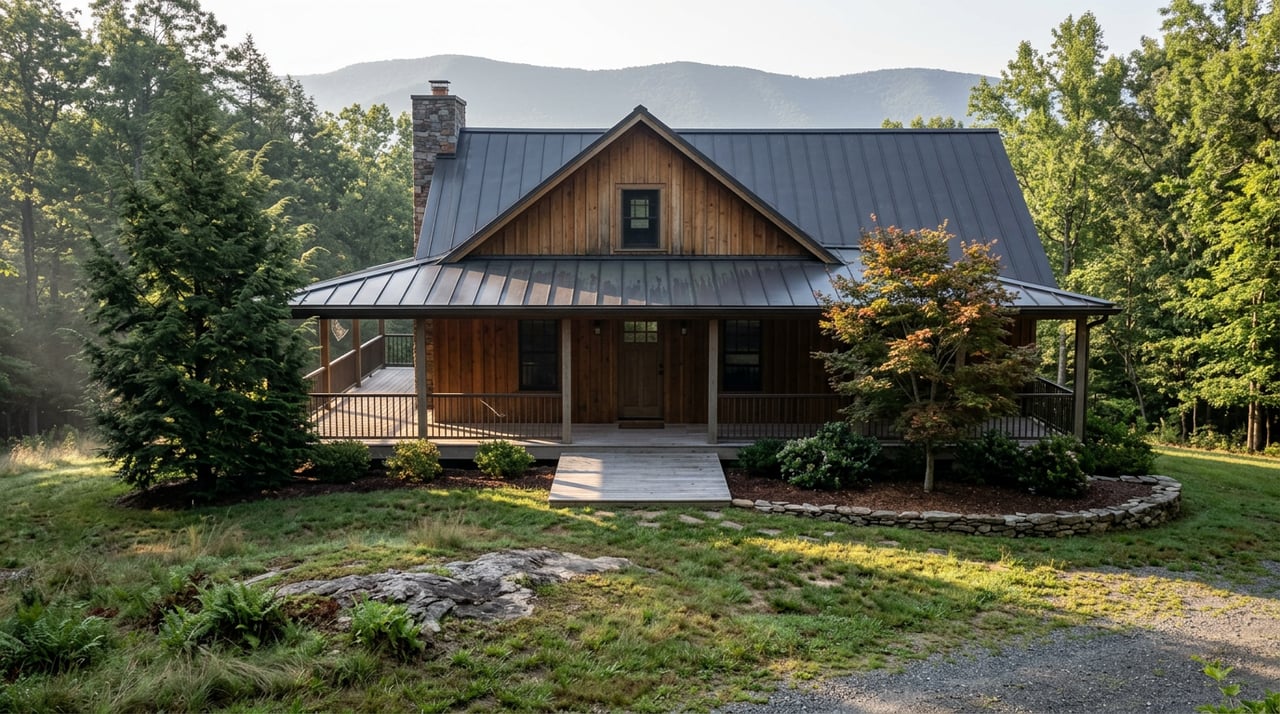
- Note roof age, material, and pitch. Ask about snow shedding and past winter issues.
Plumbing and freeze protection
- Identify where water lines run, especially in crawlspaces or exterior walls.
- Look for pipe insulation, heat tape on exposed lines, and an accessible shutoff.
- Ask about past frozen-pipe incidents and any mitigation since then.
Water and wastewater
- For wells: ask about depth, pump age, service history, and recent water tests.
- For septic: confirm drain field location and ask about any winter concerns.
Drainage and foundation
- Observe downspouts and grading. Note any pooling water or melt patterns.
- Check for signs of water intrusion in a basement or crawlspace.
Driveways and access
- Measure driveway grade and turning areas. Steep or winding drives may need four-wheel drive or chains.
- Verify who plows the road and driveway. Ask about timing after a storm.
Trees and exterior safety
- Look for dead or overhanging limbs near roofs or power lines.
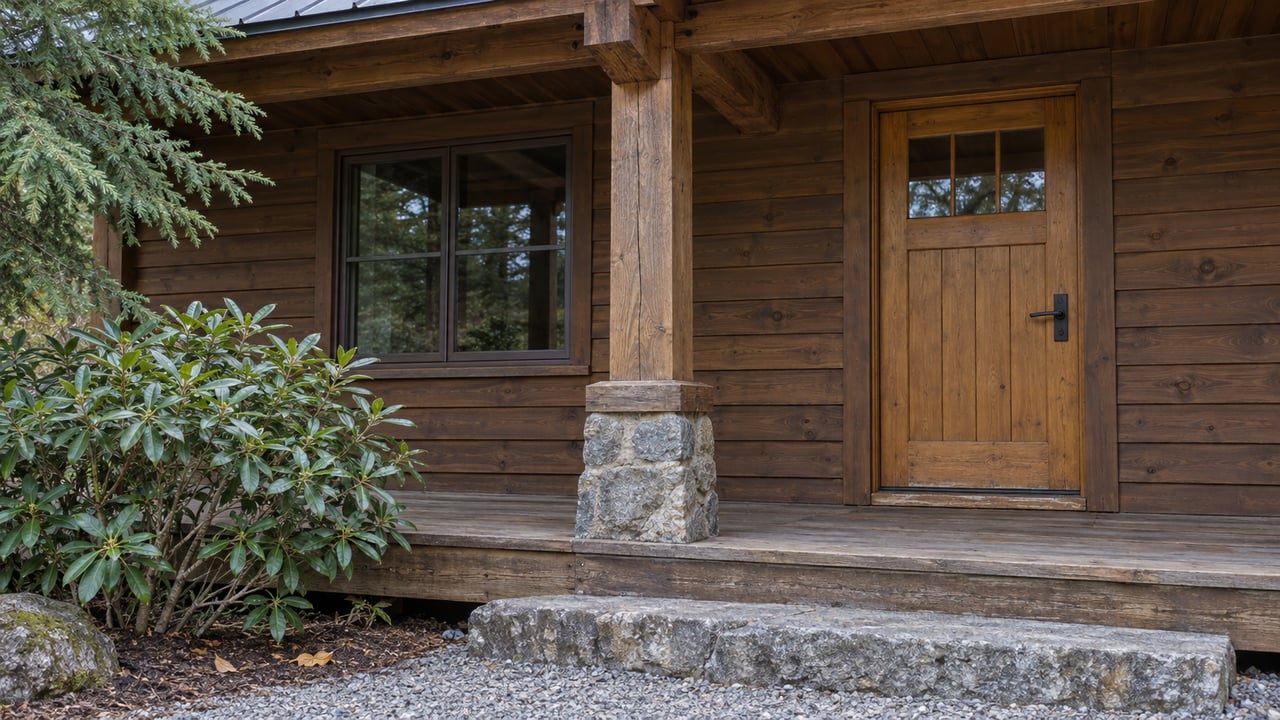
- Check decks, stairs, and railings for rot or slippery surfaces.
Chimney and fireplaces
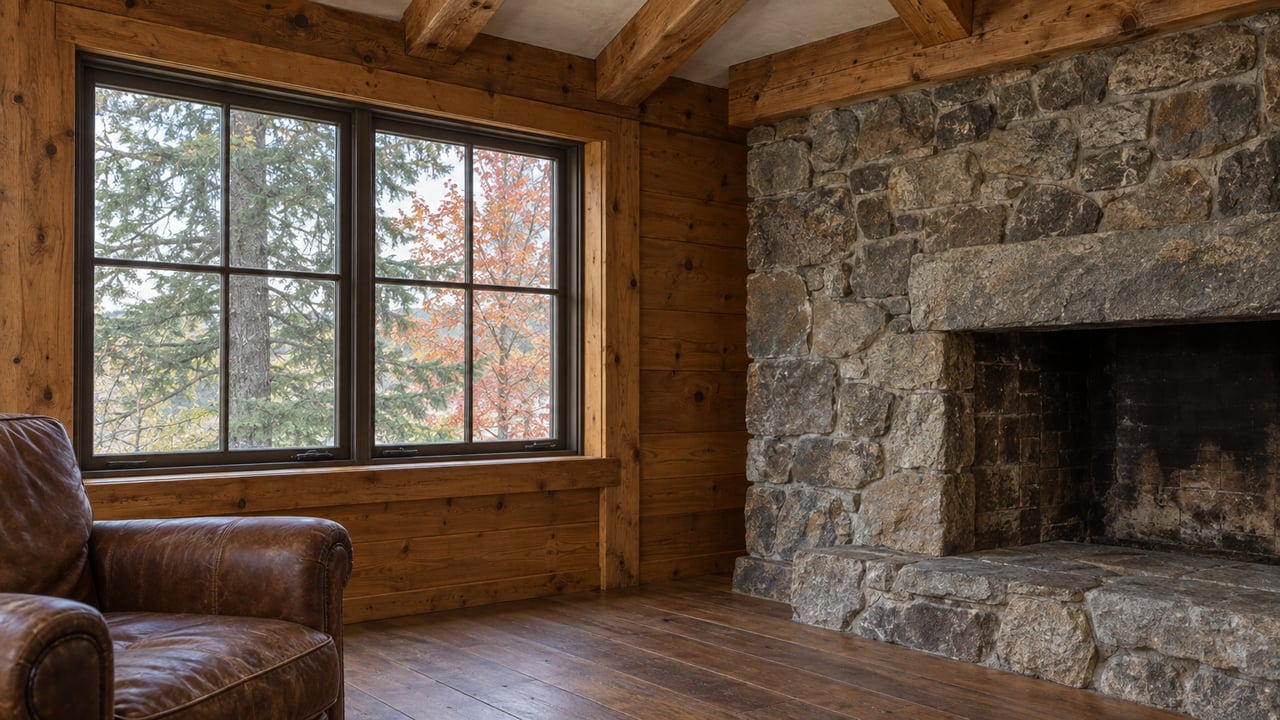
- Ask for inspection/cleaning records. Verify operation and draft.
What winter can reveal during a showing
- Frozen gutters, icicles, or wet spots on ceilings or walls.
- Difficult parking or slippery access that signals real-world conditions.
Inspection add-ons to request in winter
- Full HVAC and fuel-system evaluation.
- Chimney sweep and flue inspection.
- Infrared scan of attic/roof for heat loss.
- Septic inspection and well flow test, if applicable.
- Tree and vegetation hazard assessment.
Access, services, and costs to plan for
Winter ownership in the High Country comes with unique logistics and costs. Plan ahead so you are not surprised.
Road maintenance and access
- Verify whether roads are county-maintained or private. Private roads may require owner or HOA plowing.
- Ask how long it usually takes for plows to arrive after a snow event.
Utilities and backup readiness
- Learn the local electric utility’s outage history and typical response times.
- Evaluate generator options and fuel storage. Clarify tank ownership or lease terms.
- Confirm cell coverage and internet reliability. Consider backup options if needed.
Fuel logistics and budgeting
- For propane or oil heat, review annual usage and delivery schedules.
- If using wood, ask about supply sources and chimney maintenance.
Moving and closing logistics
- Expect limited daylight and icy conditions. Build in schedule flexibility.
- Some movers may limit service or charge extra during severe weather.
Insurance and lender considerations
- Discuss coverage options for mountain properties with your insurer.
- Appraisals may take longer if comparable winter sales are limited.
Cost snapshot to consider
- Ongoing winter costs: heating, snow removal, generator fuel, and maintenance.
- One-time upgrades: pipe insulation, added attic insulation, chimney work, or heating improvements.
Is winter right for you?
Your answer depends on your goals and timing. Here are two common profiles to help you decide.
Buyer A: You want to move soon and value negotiation power. Winter may be best. You will face fewer competing offers and can often negotiate price or credits. You are comfortable with a smaller set of listings and can act quickly when the right home appears.
Buyer B: You need a very specific property or lot type. You want the widest selection. Spring can bring more listings, which may improve your chances of finding a level lot, southern exposure, or certain finishes. You accept more competition and possibly faster-paced offers in exchange for more choice.
How a local expert helps in winter
Buying mountain property in winter is not just about price. It is about safe access, reliable heat, and a home that stands up to the season. A local advisor can confirm road maintenance, coordinate winter-ready inspections, and negotiate credits when repairs or tune-ups are needed.
You also benefit from proven production and reach when it comes to pricing and negotiating. With deep ties across Ashe County and a strong vendor network, you can line up HVAC, chimney, well, septic, and access evaluations even when the weather does not cooperate.
Ready to find the right winter opportunity in 28694? Connect with Chris Barr for local guidance, vendor coordination, and a smart plan to secure the best value.
FAQs
Is winter a good time to buy in West Jefferson?
- Often yes, if you value less competition and the chance to negotiate, but selection is typically tighter, so plan to act quickly when a good match appears.
What should I ask about plowing and road access in 28694?
- Ask if the road is county-maintained or private, who plows the driveway, typical plow timing after storms, and whether four-wheel drive or chains are commonly needed.
How do winter conditions affect inspections and appraisals?
- Snow and ice can delay scheduling, and fewer winter sales can limit comparables; build extra time into contingencies and consider credits or holdbacks for weather-limited repairs.
What heating and fuel questions should I ask in a mountain home?
- Request service records, confirm system age and capacity, ask about fuel usage and delivery timing, and check for backup heat or a generator.
Will I pay less for a home in West Jefferson if I buy in winter?
- You may have more leverage from longer days on market or motivated sellers, but outcomes vary by property; review current MLS trends before making an offer.